
Contents
- 📚 Introduction to Amartya Sen
- 🏆 Early Life and Education
- 📊 Economic Contributions
- 📝 Philosophical Works
- 🌎 Human Development Index
- 🏛️ Capability Approach
- 📊 Critique of Utilitarianism
- 🌍 Global Justice and Democracy
- 📚 Influence and Legacy
- 👥 Criticisms and Controversies
- 🔍 Future Directions
- Frequently Asked Questions
- Related Topics
Overview
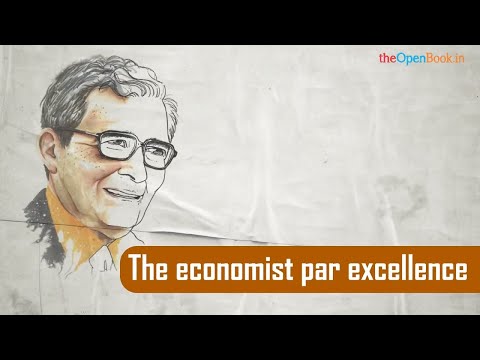
Amartya Sen is a renowned Indian economist and philosopher, best known for his work on poverty, famine, and human development. Born on November 3, 1933, in Santiniketan, India, Sen has spent his career challenging conventional wisdom on economic development and social justice. His influential book, 'Poverty and Famines: An Essay on Entitlement and Deprivation', published in 1981, argued that famines are not solely caused by food shortages, but by economic and social factors that deprive people of access to food. Sen's work has had a significant impact on development economics and policy, and he was awarded the Nobel Memorial Prize in Economic Sciences in 1998. With a Vibe score of 8.2, Sen's ideas continue to resonate with scholars, policymakers, and activists worldwide, sparking debates on the role of markets, governments, and social institutions in promoting human well-being. As a key figure in the Capability Approach, Sen's work has influenced a generation of scholars, including Martha Nussbaum and Jean Drèze, and has shaped the development of the Human Development Index (HDI), a widely used metric for assessing national well-being.
📚 Introduction to Amartya Sen
Amartya Sen is a renowned economist and philosopher, best known for his work on Economics and Philosophy. Born on November 3, 1933, in Santiniketan, India, Sen has made significant contributions to various fields, including Welfare Economics, Development Economics, and Social Choice Theory. His work has been widely recognized, and he was awarded the Nobel Prize in Economics in 1998. Sen's philosophical approach to economics has been influenced by John Rawls and Martha Nussbaum.
🏆 Early Life and Education
Sen's early life and education played a significant role in shaping his thoughts and ideas. He was born into a Bengali family and grew up in a culturally rich environment. Sen's father, Ashutosh Sen, was a professor of chemistry, and his mother, Amita Sen, was a homemaker. He studied at the University of Calcutta and later at Trinity College, Cambridge. Sen's education was influenced by Adam Smith and Karl Marx, which is reflected in his work on Economic Theory.
📊 Economic Contributions
Sen's economic contributions are vast and varied. He has worked on topics such as Poverty, Inequality, and Human Development. His work on the Human Development Index (HDI) has been particularly influential. The HDI is a measure of a country's development that takes into account factors such as Life Expectancy, Literacy, and Income. Sen's work on the HDI has been widely recognized, and it has become a standard tool for measuring development. He has also worked on Game Theory and its applications to Economics.
📝 Philosophical Works
Sen's philosophical works are equally impressive. He has written extensively on topics such as Ethics, Justice, and Democracy. His book, The Idea of Justice, is a comprehensive treatment of the concept of justice. Sen argues that justice is not just about maximizing Utility, but also about ensuring that individuals have the Capabilities to lead fulfilling lives. He has also worked on Social Choice Theory and its applications to Economics.
🌎 Human Development Index
The Human Development Index (HDI) is one of Sen's most significant contributions to economics. The HDI is a measure of a country's development that takes into account factors such as Life Expectancy, Literacy, and Income. The HDI has been widely used by United Nations agencies and other organizations to measure development. Sen's work on the HDI has been influential in shaping the way we think about development and has led to a greater emphasis on Human Development in development policy. He has also worked on Sustainable Development and its importance in the modern world.
🏛️ Capability Approach
The Capability Approach is a philosophical framework developed by Sen and Martha Nussbaum. The approach argues that individuals should be seen as having Capabilities rather than just Commodities. The Capability Approach has been influential in shaping the way we think about development and has led to a greater emphasis on Human Development in development policy. Sen's work on the Capability Approach has been widely recognized, and it has been applied to a range of fields, including Education and Healthcare.
📊 Critique of Utilitarianism
Sen has been critical of Utilitarianism, which he argues is too narrow a framework for thinking about justice and development. He argues that utilitarianism focuses too much on maximizing Utility and ignores other important aspects of human well-being, such as Freedom and Dignity. Sen's critique of utilitarianism has been influential in shaping the way we think about justice and development. He has also worked on Contractarianism and its applications to Economics.
🌍 Global Justice and Democracy
Sen has written extensively on global justice and democracy. He argues that justice is not just a domestic concept, but also a global one. Sen's work on global justice has been influential in shaping the way we think about international relations and global governance. He has also worked on Cosmopolitanism and its importance in the modern world. Sen's work on democracy has been widely recognized, and he has argued that democracy is essential for promoting Human Development and Social Justice.
📚 Influence and Legacy
Sen's influence and legacy are vast and varied. He has been recognized with numerous awards, including the Nobel Prize in Economics in 1998. Sen's work has been widely cited, and he has been influential in shaping the way we think about development, justice, and democracy. He has also been a vocal critic of Inequality and Poverty, and has argued that these issues are essential to addressing in order to promote Human Development.
👥 Criticisms and Controversies
Despite his many contributions, Sen has not been without criticism. Some have argued that his work on the Human Development Index is too narrow and ignores other important aspects of development. Others have argued that his critique of Utilitarianism is too broad and ignores the many contributions that utilitarianism has made to our understanding of justice and development. Sen has also been criticized for his views on Globalization and its impact on Human Development.
🔍 Future Directions
As we look to the future, it is clear that Sen's work will continue to be influential. His emphasis on Human Development and Social Justice will remain essential for promoting development and addressing the many challenges that we face. Sen's work on the Capability Approach and the Human Development Index will continue to shape the way we think about development and justice. As we move forward, it will be essential to continue to engage with Sen's ideas and to build on his contributions to economics and philosophy.
Key Facts
- Year
- 1998
- Origin
- India
- Category
- Economics, Philosophy
- Type
- Person
Frequently Asked Questions
What is Amartya Sen's most significant contribution to economics?
Amartya Sen's most significant contribution to economics is his work on the Human Development Index (HDI). The HDI is a measure of a country's development that takes into account factors such as Life Expectancy, Literacy, and Income.
What is the Capability Approach?
The Capability Approach is a philosophical framework developed by Amartya Sen and Martha Nussbaum. The approach argues that individuals should be seen as having Capabilities rather than just Commodities.
What is Amartya Sen's critique of utilitarianism?
Amartya Sen has been critical of Utilitarianism, which he argues is too narrow a framework for thinking about justice and development. He argues that utilitarianism focuses too much on maximizing Utility and ignores other important aspects of human well-being, such as Freedom and Dignity.
What is Amartya Sen's view on globalization?
Amartya Sen has been critical of Globalization and its impact on Human Development. He argues that globalization can have both positive and negative effects on development, and that it is essential to ensure that the benefits of globalization are shared equitably.
What is Amartya Sen's legacy?
Amartya Sen's legacy is vast and varied. He has been recognized with numerous awards, including the Nobel Prize in Economics in 1998. Sen's work has been widely cited, and he has been influential in shaping the way we think about development, justice, and democracy.
What is Amartya Sen's influence on development policy?
Amartya Sen's work has been influential in shaping development policy. His emphasis on Human Development and Social Justice has led to a greater emphasis on these issues in development policy. Sen's work on the Human Development Index has also been widely used by United Nations agencies and other organizations to measure development.
What is Amartya Sen's view on democracy?
Amartya Sen has argued that democracy is essential for promoting Human Development and Social Justice. He argues that democracy provides a framework for ensuring that the voices of all individuals are heard and that their rights are protected.