
Contents
- 🎹 Introduction to Chopin
- 📚 Life and Times of a Musical Genius
- 🎵 The Poet of the Piano: Chopin's Style
- 🌍 International Recognition and Legacy
- 📊 Technical Mastery and Innovation
- 🎶 The Role of Emotion in Chopin's Music
- 👥 Influences and Contemporaries
- 🏆 Critical Reception and Controversy
- 📈 The Enduring Popularity of Chopin's Music
- 📚 Modern Interpretations and Performances
- 🎧 Recording and Dissemination of Chopin's Works
- 👏 Conclusion: The Timeless Appeal of Chopin
- Frequently Asked Questions
- Related Topics
Overview
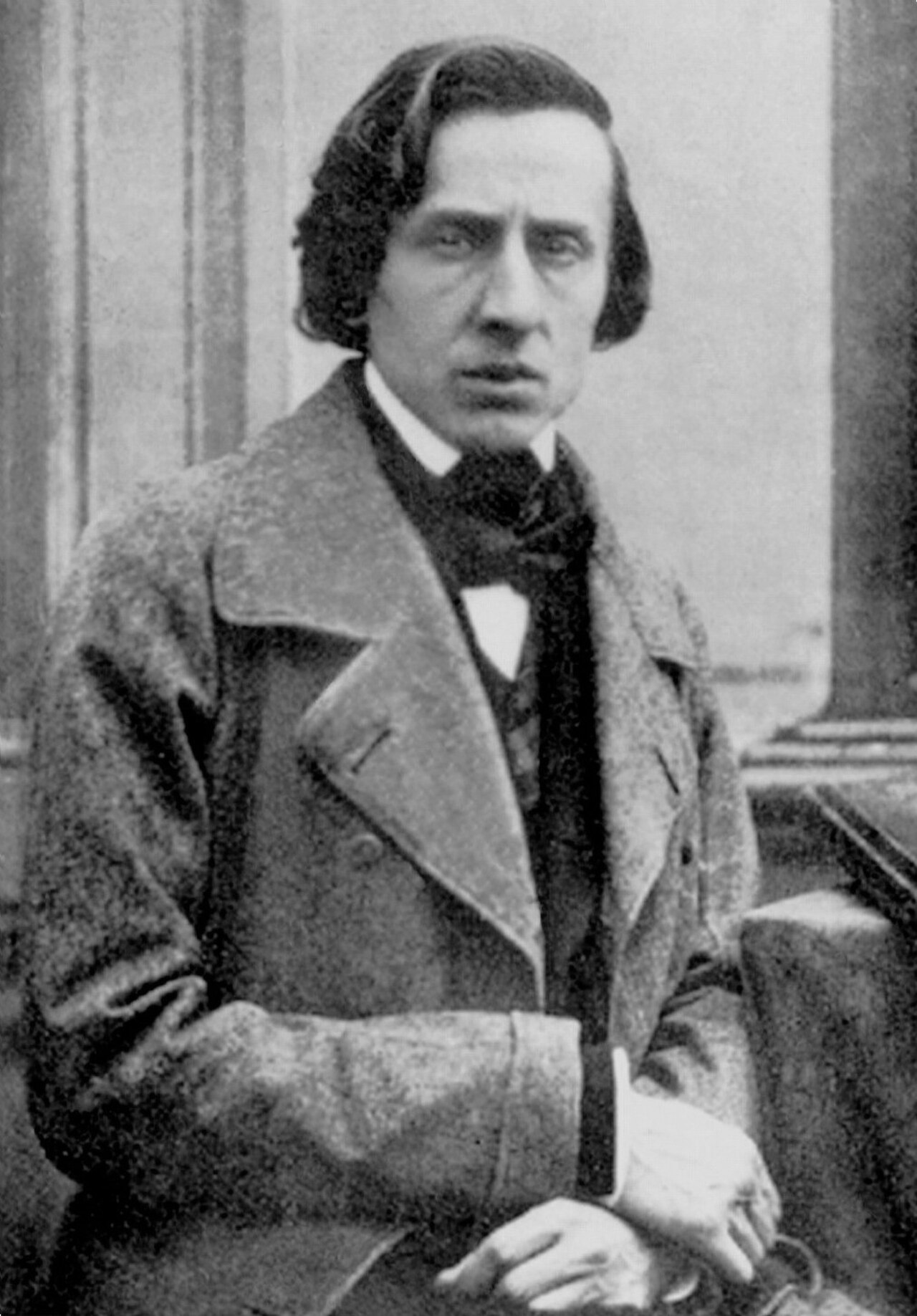
Frédéric François Chopin was a Polish composer and virtuoso pianist of the Romantic period who wrote primarily for solo piano, as seen in his famous Piano Concertos. He has maintained worldwide renown as a leading composer of his era whose 'poetic genius was based on a professional technique that was without equal in his generation', influencing many other composers such as Franz Liszt and Johannes Brahms. Born in Warsaw, Poland, Chopin's life was marked by a mix of Polish culture and French culture, which is reflected in his music. His compositions include Nocturnes, Waltzes, and Preludes. Chopin's music is known for its technical difficulty, requiring a high level of piano technique to perform. Despite his short life, Chopin left an indelible mark on the world of classical music.
📚 Life and Times of a Musical Genius
Chopin's life was marked by both brilliance and struggle, as he suffered from tuberculosis and had to navigate the complexities of Parisian society. Despite these challenges, he was able to compose some of the most beautiful and technically demanding music of his time, including his famous Piano Sonatas. His relationship with George Sand was also a significant influence on his life and music. Chopin's music was not only technically innovative but also emotionally profound, as seen in his Ballades and Scherzos. His legacy continues to inspire and influence musicians to this day, including Martha Argerich and Krystian Zimerman.
🎵 The Poet of the Piano: Chopin's Style
Chopin's style is characterized by a unique blend of Romanticism and Classicism, with a focus on piano texture and musical expression. His music often features complex piano fingerwork and nuanced pedaling technique. Chopin's compositions are also notable for their use of Polish folk music elements, such as the mazurka and polonaise. His music has been praised for its lyricism and poeticism, earning him the nickname 'The Poet of the Piano'. Chopin's music has been performed by many famous pianists, including Vladimir Horowitz and Sergei Rachmaninoff.
🌍 International Recognition and Legacy
Chopin's international recognition and legacy are a testament to the power and beauty of his music. He is widely regarded as one of the greatest composers of all time, and his music continues to be performed and admired around the world. Chopin's music has been used in numerous film scores, including those by Wojciech Kilar and Zbigniew Preisner. His compositions have also been arranged and transcribed for a variety of instruments, including the guitar and orchestra. Chopin's legacy extends beyond the world of music, with his life and work inspiring numerous books, films, and plays.
📊 Technical Mastery and Innovation
Chopin's technical mastery and innovation are evident in his compositions, which often feature complex piano passages and nuanced musical phrasing. His music requires a high level of piano technique to perform, and his compositions have been praised for their musicality and expression. Chopin's use of pedaling technique and piano fingerwork was particularly innovative, and his music continues to influence pianists to this day. Chopin's compositions have been studied and performed by many famous pianists, including Alfred Cortot and Artur Rubinstein.
🎶 The Role of Emotion in Chopin's Music
The role of emotion in Chopin's music is a significant aspect of his compositions, with many of his works featuring intense emotional expression and personal reference. Chopin's music often reflects his own personal experiences and emotions, including his struggles with tuberculosis and his relationships with others. His compositions are notable for their use of chromaticism and tonal ambiguity, which adds to their emotional depth and complexity. Chopin's music has been praised for its sensitivity and intimacy, and his compositions continue to be performed and admired for their emotional power. Chopin's music has been compared to that of other great composers, including Wolfgang Amadeus Mozart and Franz Schubert.
👥 Influences and Contemporaries
Chopin's influences and contemporaries played a significant role in shaping his music and career. He was influenced by a variety of composers, including Johann Sebastian Bach and Wolfgang Amadeus Mozart, and was also influenced by Polish folk music and French music. Chopin's contemporaries, including Franz Liszt and Robert Schumann, also had a significant impact on his life and music. Chopin's relationships with other composers and musicians, including George Sand and Francois Kalkbrenner, were also important in shaping his career and compositions. Chopin's music has been compared to that of other great composers, including Johannes Brahms and Pyotr Ilyich Tchaikovsky.
🏆 Critical Reception and Controversy
Chopin's critical reception and controversy are a testament to the complex and often divisive nature of his music. While many critics and musicians have praised Chopin's compositions for their beauty and technical innovation, others have criticized his music for its perceived sentimentality and lack of form. Chopin's music has been the subject of numerous musicological studies and critical analyses, with many scholars and musicians continuing to debate the merits and significance of his compositions. Despite the controversy surrounding his music, Chopin remains one of the most beloved and respected composers of all time. Chopin's music has been performed and recorded by many famous pianists, including Martha Argerich and Krystian Zimerman.
📈 The Enduring Popularity of Chopin's Music
The enduring popularity of Chopin's music is a testament to the timelessness and beauty of his compositions. Despite being written over a century ago, Chopin's music continues to be performed and admired around the world, with his compositions remaining a staple of the classical music repertoire. Chopin's music has been used in numerous film scores and television soundtracks, and his compositions have been arranged and transcribed for a variety of instruments. Chopin's legacy extends beyond the world of music, with his life and work inspiring numerous books, films, and plays. Chopin's music has been compared to that of other great composers, including Wolfgang Amadeus Mozart and Ludwig van Beethoven.
📚 Modern Interpretations and Performances
Modern interpretations and performances of Chopin's music continue to evolve and innovate, with many pianists and musicians offering new and exciting perspectives on his compositions. The use of period instruments and historically informed performance practice has become increasingly popular in recent years, with many musicians seeking to recreate the sound and style of Chopin's time. Chopin's music has also been influenced by a variety of other genres and styles, including jazz and rock music. Despite these innovations, Chopin's music remains deeply rooted in the classical tradition, with his compositions continuing to be performed and admired for their beauty and technical innovation. Chopin's music has been performed and recorded by many famous pianists, including Vladimir Horowitz and Sergei Rachmaninoff.
🎧 Recording and Dissemination of Chopin's Works
The recording and dissemination of Chopin's works have played a significant role in popularizing his music and making it accessible to a wider audience. The development of recording technology has allowed for the creation of high-quality recordings of Chopin's music, which have been widely distributed and admired. The internet and social media have also played a significant role in promoting Chopin's music, with many musicians and music lovers sharing and discovering his compositions online. Chopin's music has been used in numerous film scores and television soundtracks, and his compositions have been arranged and transcribed for a variety of instruments. Chopin's legacy extends beyond the world of music, with his life and work inspiring numerous books, films, and plays.
👏 Conclusion: The Timeless Appeal of Chopin
In conclusion, Chopin's music remains a timeless and beloved part of the classical music repertoire, with his compositions continuing to inspire and influence musicians to this day. His legacy extends beyond the world of music, with his life and work inspiring numerous books, films, and plays. As we look to the future, it is clear that Chopin's music will continue to be performed, admired, and loved for generations to come. Chopin's music has been compared to that of other great composers, including Wolfgang Amadeus Mozart and Ludwig van Beethoven.
Key Facts
- Year
- 1810
- Origin
- Poland
- Category
- Classical Music
- Type
- Person
Frequently Asked Questions
What is Chopin's most famous composition?
Chopin's most famous composition is likely his Piano Concerto No. 2, which is known for its beautiful and technically demanding music. However, he also wrote many other famous compositions, including his Nocturnes, Waltzes, and Preludes. Chopin's music is known for its technical difficulty, requiring a high level of piano technique to perform. Despite his short life, Chopin left an indelible mark on the world of classical music.
What is the significance of Chopin's music?
Chopin's music is significant because of its beauty, technical innovation, and emotional power. His compositions are notable for their use of chromaticism and tonal ambiguity, which adds to their emotional depth and complexity. Chopin's music has been praised for its sensitivity and intimacy, and his compositions continue to be performed and admired for their emotional power. Chopin's music has been compared to that of other great composers, including Wolfgang Amadeus Mozart and Franz Schubert.
Who were Chopin's influences and contemporaries?
Chopin's influences and contemporaries played a significant role in shaping his music and career. He was influenced by a variety of composers, including Johann Sebastian Bach and Wolfgang Amadeus Mozart, and was also influenced by Polish folk music and French music. Chopin's contemporaries, including Franz Liszt and Robert Schumann, also had a significant impact on his life and music. Chopin's relationships with other composers and musicians, including George Sand and Francois Kalkbrenner, were also important in shaping his career and compositions.
What is the current state of Chopin's music?
Chopin's music remains a beloved and integral part of the classical music repertoire, with his compositions continuing to be performed and admired around the world. The use of period instruments and historically informed performance practice has become increasingly popular in recent years, with many musicians seeking to recreate the sound and style of Chopin's time. Chopin's music has also been influenced by a variety of other genres and styles, including jazz and rock music. Despite these innovations, Chopin's music remains deeply rooted in the classical tradition, with his compositions continuing to be performed and admired for their beauty and technical innovation.
How has Chopin's music been used in film and television?
Chopin's music has been used in numerous film scores and television soundtracks, with his compositions being featured in a wide range of films and television shows. Chopin's music has been used to evoke a sense of romanticism and drama, and has been featured in films such as The Pianist and A Song to Remember. Chopin's music has also been used in television shows such as Downton Abbey and The Crown.