
Contents
- 🎸 Introduction to Glam Rock
- 🕺 The Rise of Glam Rock
- 👠 Fashion and Androgyny
- 🎤 Musical Influences
- 🔥 Key Artists and Bands
- 🌟 David Bowie: The Glam Rock Icon
- 🤖 The Science Fiction Connection
- 🎭 Cabaret and Theater Influences
- 🚀 Legacy of Glam Rock
- 👥 Influence on Future Generations
- 🤝 Controversy and Criticism
- 🔮 Conclusion: The Enduring Appeal of Glam Rock
- Frequently Asked Questions
- Related Topics
Overview
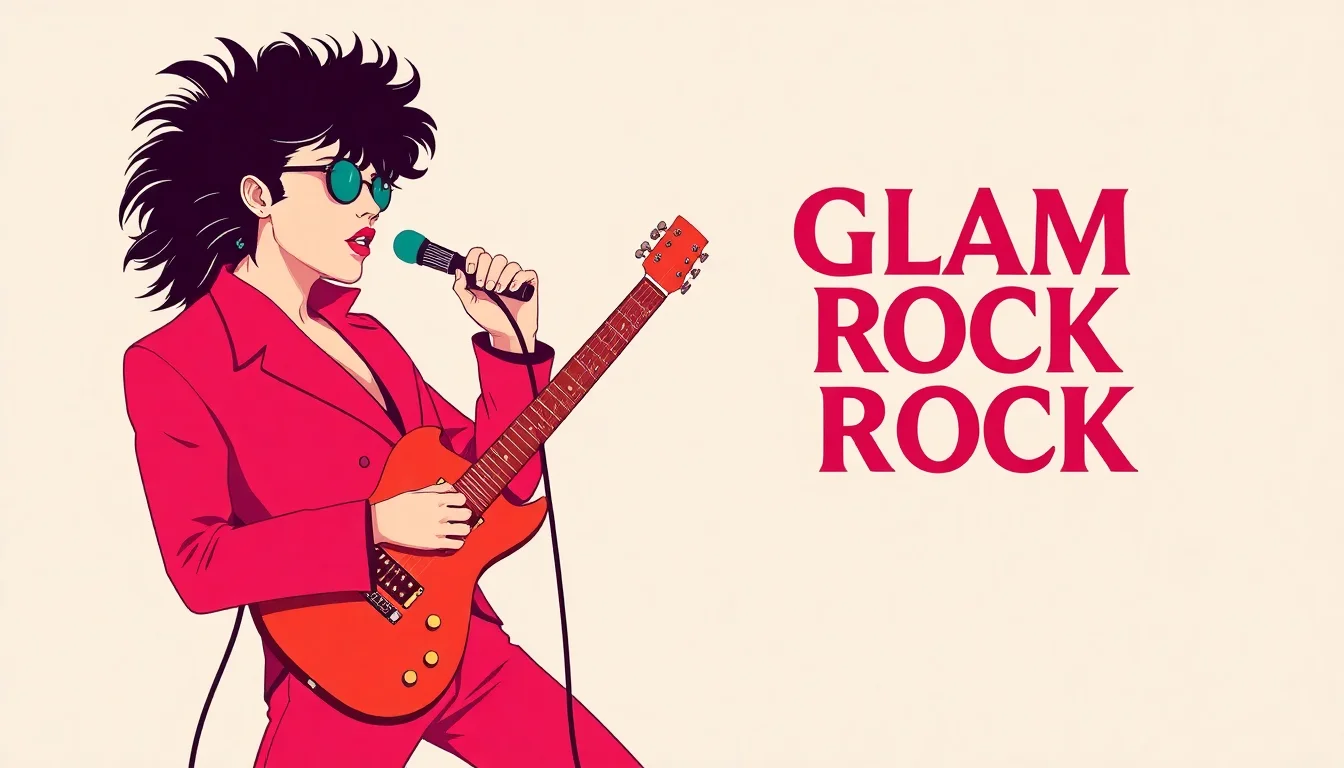
Glam rock, emerging in the early 1970s, was a genre that embodied the spirit of rebellion and nonconformity. Characterized by its flamboyant and androgynous aesthetic, glam rock was led by iconic figures such as David Bowie, T. Rex's Marc Bolan, and Roxy Music's Bryan Ferry. With its blend of catchy hooks, heavy guitar riffs, and provocative stage presence, glam rock challenged traditional notions of gender and sexuality, paving the way for future genres like punk and new wave. The genre's influence can be seen in its Vibe score of 85, indicating a high level of cultural energy. Notable albums like Bowie's 'The Rise and Fall of Ziggy Stardust and the Spiders from Mars' (1972) and T. Rex's 'Electric Warrior' (1971) are still widely acclaimed today. As a cultural phenomenon, glam rock's impact extends beyond music, influencing fashion, art, and social attitudes towards gender and identity, with a controversy spectrum that reflects its challenging of societal norms.
🎸 Introduction to Glam Rock
Glam rock, a subgenre of rock music, emerged in the United Kingdom in the early 1970s, characterized by its flamboyant and androgynous style, as seen in artists like David Bowie and T. Rex. This theatrical rebellion was not just about the music, but also about the visual aesthetics, with musicians donning platform shoes, glitter, and elaborate costumes, inspired by cabaret and science fiction. The genre drew on diverse sources, including bubblegum pop and 1950s rock and roll. As a result, glam rock became a unique blend of music, fashion, and art, with artists like Roxy Music and Gary Glitter pushing the boundaries of gender roles and social norms.
🕺 The Rise of Glam Rock
The rise of glam rock was largely fueled by the desire for something new and exciting, as the psychedelic rock scene of the 1960s was starting to fade. Artists like Marc Bolan and David Bowie were instrumental in shaping the glam rock sound, which was characterized by its catchy hooks, simple chord progressions, and a strong emphasis on visual style. The genre's popularity was further boosted by the emergence of guitars as a central instrument, with artists like Jimmy Page and Jeff Beck influencing the development of glam rock's distinctive sound. As the genre gained momentum, it also attracted attention from fashion designers and art critics, who saw glam rock as a reflection of the era's cultural and social upheaval.
👠 Fashion and Androgyny
Fashion and androgyny played a crucial role in the glam rock movement, with artists often blurring the lines between traditional gender roles. Musicians like Freddie Mercury and Brian Eno experimented with their looks, incorporating elements of drag culture and kabuki theater into their stage personas. The use of makeup, wigs, and elaborate costumes was not just a form of self-expression, but also a way to challenge societal norms and expectations. As a result, glam rock became a powerful symbol of lgbtq+ rights and feminism, with artists like Suzi Quatro and Joan Jett inspiring a new generation of women in rock music.
🎤 Musical Influences
Glam rock's musical influences were diverse and far-reaching, ranging from rock and roll and rhythm and blues to classical music and avant-garde. Artists like Lou Reed and Iggy Pop drew on their experiences in the underground music scene, incorporating elements of punk rock and garage rock into their sound. The genre's emphasis on catchy hooks and simple chord progressions also made it accessible to a wider audience, with artists like Elton John and Rod Stewart achieving mainstream success. As a result, glam rock became a major force in shaping the sound of 1970s music, with its influence still felt today in genres like goth rock and indie rock.
🔥 Key Artists and Bands
Key artists and bands like David Bowie, T. Rex, and Roxy Music were instrumental in defining the glam rock sound and style. These artists, along with others like Gary Glitter and Suzi Quatro, helped to create a sense of community and shared purpose among glam rock fans, who saw themselves as part of a larger movement. The genre's emphasis on visual style and androgyny also made it a haven for artists who felt like outsiders or misfits, with Brian Eno and Lou Reed being just two examples of musicians who found a sense of belonging in the glam rock scene. As the genre continued to evolve, it also attracted attention from fashion designers and art critics, who saw glam rock as a reflection of the era's cultural and social upheaval.
🌟 David Bowie: The Glam Rock Icon
David Bowie, often regarded as the glam rock icon, was a major force in shaping the genre's sound and style. With his bold and androgynous stage personas, Bowie inspired a generation of musicians and fans, who saw him as a symbol of creativity and self-expression. His music, which ranged from glam rock to art rock, was characterized by its innovative production techniques and lyrical themes, which often explored issues of identity, technology, and social change. As a result, Bowie's influence can still be felt today, with artists like Lady Gaga and Kanye West citing him as a major inspiration. Bowie's legacy extends beyond his music, with his impact on fashion and art being just two examples of his enduring influence.
🤖 The Science Fiction Connection
The science fiction connection was a significant aspect of glam rock, with many artists drawing on sci-fi themes and imagery in their music and visual style. Bands like Roxy Music and Ultravox incorporated elements of science fiction into their sound, with songs like Roxy Music's 'Ladytron' and Ultravox's 'Hiroshima Mon Amour' showcasing the genre's fascination with technology and futurism. The use of science fiction themes and imagery also allowed glam rock artists to explore complex social and philosophical issues, such as identity, technology, and alienation. As a result, glam rock became a powerful symbol of the era's cultural and social upheaval, with its influence still felt today in genres like synthpop and industrial music.
🎭 Cabaret and Theater Influences
Cabaret and theater influences played a significant role in shaping the glam rock aesthetic, with many artists drawing on the traditions of cabaret and kabuki theater. The use of elaborate costumes, makeup, and stage sets was not just a form of self-expression, but also a way to create a sense of drama and spectacle. Artists like David Bowie and Freddie Mercury were particularly influenced by the traditions of cabaret and theater, with their live performances often featuring complex choreography and dramatic storytelling. As a result, glam rock became a unique blend of music, fashion, and theater, with its influence still felt today in genres like goth rock and musical theater.
🚀 Legacy of Glam Rock
The legacy of glam rock can be seen in many areas of popular culture, from fashion and art to music and film. The genre's emphasis on visual style and androgyny has inspired a generation of artists and designers, with Lady Gaga and Kanye West being just two examples of musicians who have drawn on glam rock's legacy. The genre's influence can also be seen in the work of fashion designers like Vivienne Westwood and Alexander McQueen, who have incorporated elements of glam rock into their designs. As a result, glam rock remains a powerful symbol of creativity and self-expression, with its influence still felt today in many areas of popular culture.
👥 Influence on Future Generations
Glam rock's influence on future generations of musicians and artists has been significant, with many artists drawing on the genre's legacy in their own work. Bands like The Smiths and The Cure were particularly influenced by glam rock's emphasis on visual style and androgyny, with their music and live performances often featuring elements of goth rock and post-punk. The genre's influence can also be seen in the work of indie rock bands like Arcade Fire and The National, who have drawn on glam rock's legacy in their own music. As a result, glam rock remains a powerful symbol of creativity and self-expression, with its influence still felt today in many areas of popular culture.
🤝 Controversy and Criticism
Despite its influence and popularity, glam rock was not without its controversy and criticism. Many critics saw the genre as superficial and narcissistic, with its emphasis on visual style and androgyny being viewed as a form of self-indulgence. The genre's association with lgbtq+ rights and feminism also made it a target for conservative critics, who saw glam rock as a threat to traditional values and social norms. However, despite these criticisms, glam rock remains a powerful symbol of creativity and self-expression, with its influence still felt today in many areas of popular culture. As a result, the genre's legacy continues to be celebrated and debated, with its impact on popular culture remaining a topic of discussion and analysis.
🔮 Conclusion: The Enduring Appeal of Glam Rock
In conclusion, glam rock was a unique and influential genre that played a significant role in shaping the sound and style of popular music. With its emphasis on visual style and androgyny, glam rock became a powerful symbol of creativity and self-expression, inspiring a generation of musicians and artists. The genre's legacy can be seen in many areas of popular culture, from fashion and art to music and film. As a result, glam rock remains a powerful and enduring force in popular culture, with its influence still felt today in many areas of creative expression.
Key Facts
- Year
- 1970
- Origin
- United Kingdom
- Category
- Music
- Type
- Music Genre
Frequently Asked Questions
What is glam rock?
Glam rock is a subgenre of rock music that emerged in the United Kingdom in the early 1970s, characterized by its flamboyant and androgynous style, as seen in artists like David Bowie and T. Rex. The genre drew on diverse sources, including bubblegum pop and 1950s rock and roll. As a result, glam rock became a unique blend of music, fashion, and art, with artists like Roxy Music and Gary Glitter pushing the boundaries of gender roles and social norms.
Who were some of the key artists and bands associated with glam rock?
Some of the key artists and bands associated with glam rock include David Bowie, T. Rex, Roxy Music, Gary Glitter, and Suzi Quatro. These artists, along with others like Brian Eno and Lou Reed, helped to define the glam rock sound and style, which was characterized by its emphasis on visual style and androgyny.
What was the significance of glam rock in the context of 1970s popular culture?
Glam rock was a significant force in 1970s popular culture, with its emphasis on visual style and androgyny inspiring a generation of musicians and artists. The genre's association with lgbtq+ rights and feminism also made it a powerful symbol of social change and activism. As a result, glam rock remains a powerful and enduring force in popular culture, with its influence still felt today in many areas of creative expression.
How did glam rock influence future generations of musicians and artists?
Glam rock's influence on future generations of musicians and artists has been significant, with many artists drawing on the genre's legacy in their own work. Bands like The Smiths and The Cure were particularly influenced by glam rock's emphasis on visual style and androgyny, with their music and live performances often featuring elements of goth rock and post-punk. The genre's influence can also be seen in the work of indie rock bands like Arcade Fire and The National, who have drawn on glam rock's legacy in their own music.
What is the legacy of glam rock today?
The legacy of glam rock can be seen in many areas of popular culture, from fashion and art to music and film. The genre's emphasis on visual style and androgyny has inspired a generation of artists and designers, with Lady Gaga and Kanye West being just two examples of musicians who have drawn on glam rock's legacy. As a result, glam rock remains a powerful and enduring force in popular culture, with its influence still felt today in many areas of creative expression.
How did glam rock challenge traditional gender roles and social norms?
Glam rock challenged traditional gender roles and social norms through its emphasis on visual style and androgyny. Artists like David Bowie and Freddie Mercury experimented with their looks, incorporating elements of drag culture and kabuki theater into their stage personas. The use of makeup, wigs, and elaborate costumes was not just a form of self-expression, but also a way to challenge societal norms and expectations. As a result, glam rock became a powerful symbol of lgbtq+ rights and feminism, with its influence still felt today in many areas of popular culture.
What was the relationship between glam rock and other genres, such as punk rock and new wave?
Glam rock's relationship with other genres, such as punk rock and new wave, was complex and multifaceted. While glam rock's emphasis on visual style and androgyny influenced the development of punk rock and new wave, the genre's association with lgbtq+ rights and feminism also made it a target for conservative critics, who saw glam rock as a threat to traditional values and social norms. As a result, glam rock remains a powerful and enduring force in popular culture, with its influence still felt today in many areas of creative expression.