
Contents
- 🌳 Introduction to Maya Lin
- 🏞️ Early Life and Education
- 🎨 The Vietnam Veterans Memorial
- 🌊 The Civil Rights Memorial
- 🏔️ Environmental Art and Activism
- 📸 Photography and Film
- 📚 Writing and Teaching
- 👥 Collaborations and Influences
- 🏆 Awards and Recognition
- 🌐 Legacy and Impact
- 🤔 Criticisms and Controversies
- 🔮 Future Projects and Directions
- Frequently Asked Questions
- Related Topics
Overview
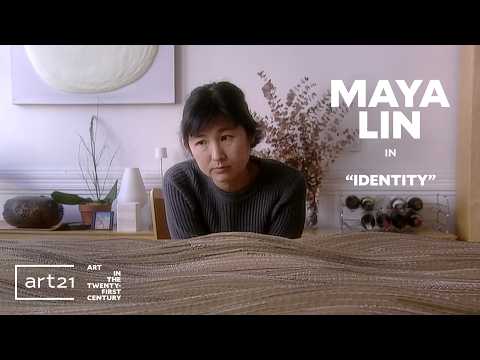
Maya Lin is a Chinese-American artist and architect known for her large-scale environmental installations and memorials that challenge traditional notions of art and landscape. Born on October 5, 1959, in Athens, Ohio, Lin rose to prominence with her design for the Vietnam Veterans Memorial in Washington, D.C., which was completed in 1982. Her work often incorporates natural elements and explores the relationship between the built environment and the natural world. With a Vibe score of 8, Lin's influence extends beyond the art world, inspiring new perspectives on environmentalism and urban planning. Her notable projects include the Civil Rights Memorial in Montgomery, Alabama, and the Wave Field installation at the University of Michigan. As a pioneer in her field, Lin continues to push the boundaries of art and architecture, leaving a lasting impact on the cultural landscape.
🌳 Introduction to Maya Lin
Maya Lin is a visionary artist and architect known for her iconic landscapes and memorials. Born on October 5, 1959, in Athens, Ohio, Lin's work often explores the relationship between the natural and built environments. She is perhaps best known for designing the Vietnam Veterans Memorial in Washington, D.C., which has become a powerful symbol of American history and culture. Lin's work has also been influenced by her interest in environmental art and landscape architecture. As a artist, Lin has been recognized for her unique ability to create spaces that are both beautiful and thought-provoking, often incorporating elements of sculpture and installation art into her designs.
🏞️ Early Life and Education
Lin's early life and education played a significant role in shaping her artistic vision. She grew up in a family of artists and intellectuals, and her parents encouraged her to explore her creative interests from a young age. Lin studied architecture at Yale University, where she was exposed to a wide range of artistic and architectural styles. Her thesis project, which proposed a memorial to honor the victims of the Vietnam War, would eventually become the Vietnam Veterans Memorial. Lin's work has also been influenced by her interest in Asian American art and feminist art, which has helped to shape her unique perspective and approach to design.
🎨 The Vietnam Veterans Memorial
The Vietnam Veterans Memorial is one of Lin's most famous works, and it has become a powerful symbol of American history and culture. The memorial features a black granite wall inscribed with the names of the American servicemen and women who died during the Vietnam War. Lin's design was chosen from among over 1,400 entries, and it has been widely praised for its simplicity, elegance, and emotional power. The memorial has also been the subject of controversy, with some critics arguing that it is too somber or too focused on the negative aspects of war. However, Lin's design has been widely recognized as a masterpiece of memorial design, and it has influenced a generation of artists and architects. Lin has also explored the theme of war and memory in her other works, including the Civil Rights Memorial.
🌊 The Civil Rights Memorial
The Civil Rights Memorial is another notable work by Lin, and it honors the history and legacy of the American civil rights movement. The memorial features a large granite table with a fountain at its center, and it is inscribed with quotes from prominent civil rights leaders. Lin's design was intended to create a sense of community and gathering, and it has become a popular destination for visitors to Montgomery, Alabama. The memorial has also been recognized for its innovative use of water features and public art, which has helped to create a unique and engaging urban space. Lin's work on the Civil Rights Memorial has also been influenced by her interest in social justice and human rights, which has helped to shape her approach to design and her commitment to creating spaces that promote equality and justice.
🏔️ Environmental Art and Activism
In addition to her work on memorials, Lin has also been recognized for her contributions to environmental art and landscape architecture. Her work often explores the relationship between the natural and built environments, and she has created a number of innovative and sustainable designs that have helped to promote environmental awareness and conservation. Lin's interest in environmental art has also led her to explore the theme of climate change, which has become a major focus of her work in recent years. Lin has also been influenced by her interest in ecological design, which has helped to shape her approach to creating sustainable and environmentally-friendly spaces.
📸 Photography and Film
Lin has also explored the medium of photography and film in her work. Her photographs often capture the beauty and complexity of the natural world, and they have been exhibited in galleries and museums around the world. Lin's films have also been recognized for their innovative use of documentary film and experimental film techniques, which have helped to create a unique and engaging visual style. Lin's work in photography and film has also been influenced by her interest in visual art and media art, which has helped to shape her approach to creating innovative and thought-provoking works.
📚 Writing and Teaching
In addition to her work as an artist and architect, Lin has also been recognized for her writing and teaching. She has published a number of books and articles on art, architecture, and environmentalism, and she has taught at a number of universities and institutions around the world. Lin's writing often explores the themes of art and nature, architecture and ecology, and sustainability, and she has been widely praised for her insightful and engaging prose. Lin has also been influenced by her interest in art education and architecture education, which has helped to shape her approach to teaching and mentoring.
👥 Collaborations and Influences
Lin has collaborated with a number of other artists and architects on her projects, and she has been influenced by a wide range of artistic and architectural styles. Her work has been compared to that of Isamu Noguchi and Eero Saarinen, and she has been recognized for her innovative use of materials and techniques. Lin has also been influenced by her interest in collaborative art and community art, which has helped to shape her approach to working with others and creating spaces that promote social interaction and engagement.
🏆 Awards and Recognition
Lin has received numerous awards and honors for her work, including the National Medal of Arts and the Presidential Medal of Freedom. She has also been recognized for her contributions to women in art and women in architecture, and she has been widely praised for her innovative and influential designs. Lin's work has also been recognized for its impact on social impact and cultural significance, which has helped to shape her legacy as a visionary artist and architect.
🌐 Legacy and Impact
Lin's legacy and impact continue to be felt today, and her work remains a powerful symbol of American history and culture. Her designs have influenced a generation of artists and architects, and she has helped to shape the way we think about the relationship between the natural and built environments. Lin's work has also been recognized for its innovative use of sustainable design and green architecture principles, which has helped to promote environmental awareness and conservation. As a artist and architect, Lin continues to push the boundaries of what is possible, and her work remains a source of inspiration and fascination for audiences around the world.
🤔 Criticisms and Controversies
Despite her many accomplishments, Lin's work has not been without controversy. Some critics have argued that her designs are too somber or too focused on the negative aspects of war, while others have praised her innovative use of materials and techniques. Lin's work has also been influenced by her interest in critical theory and cultural studies, which has helped to shape her approach to creating spaces that promote social interaction and engagement. As a artist and architect, Lin continues to challenge and provoke, and her work remains a powerful symbol of American history and culture.
🔮 Future Projects and Directions
As Lin looks to the future, she continues to explore new themes and ideas in her work. Her recent projects have focused on the theme of climate change, and she has been recognized for her innovative use of sustainable design and green architecture principles. Lin's work has also been influenced by her interest in emerging technologies, which has helped to shape her approach to creating innovative and thought-provoking works. As a artist and architect, Lin remains a visionary and a pioneer, and her work continues to inspire and fascinate audiences around the world.
Key Facts
- Year
- 1959
- Origin
- Athens, Ohio, USA
- Category
- Art and Architecture
- Type
- Person
Frequently Asked Questions
What is Maya Lin's most famous work?
Maya Lin's most famous work is the Vietnam Veterans Memorial in Washington, D.C. The memorial features a black granite wall inscribed with the names of the American servicemen and women who died during the Vietnam War. Lin's design was chosen from among over 1,400 entries, and it has been widely praised for its simplicity, elegance, and emotional power.
What is Maya Lin's approach to design?
Maya Lin's approach to design is characterized by her interest in environmental art and landscape architecture. She often explores the relationship between the natural and built environments, and she has created a number of innovative and sustainable designs that have helped to promote environmental awareness and conservation. Lin's work has also been influenced by her interest in social justice and human rights, which has helped to shape her approach to creating spaces that promote equality and justice.
What awards has Maya Lin received?
Maya Lin has received numerous awards and honors for her work, including the National Medal of Arts and the Presidential Medal of Freedom. She has also been recognized for her contributions to women in art and women in architecture, and she has been widely praised for her innovative and influential designs.
What is Maya Lin's legacy?
Maya Lin's legacy continues to be felt today, and her work remains a powerful symbol of American history and culture. Her designs have influenced a generation of artists and architects, and she has helped to shape the way we think about the relationship between the natural and built environments. Lin's work has also been recognized for its innovative use of sustainable design and green architecture principles, which has helped to promote environmental awareness and conservation.
What is Maya Lin's current work?
Maya Lin's current work continues to explore new themes and ideas, including the theme of climate change. She has been recognized for her innovative use of sustainable design and green architecture principles, and her work has been widely praised for its simplicity, elegance, and emotional power. As a artist and architect, Lin remains a visionary and a pioneer, and her work continues to inspire and fascinate audiences around the world.
How has Maya Lin's work been received?
Maya Lin's work has been widely praised for its innovative and influential designs. Her Vietnam Veterans Memorial has been recognized as a masterpiece of memorial design, and her Civil Rights Memorial has been praised for its innovative use of water features and public art. Lin's work has also been recognized for its impact on social impact and cultural significance, which has helped to shape her legacy as a visionary artist and architect.
What is Maya Lin's approach to teaching?
Maya Lin's approach to teaching is characterized by her interest in art education and architecture education. She has taught at a number of universities and institutions around the world, and she has been widely praised for her insightful and engaging teaching style. Lin's approach to teaching has also been influenced by her interest in collaborative art and community art, which has helped to shape her approach to working with others and creating spaces that promote social interaction and engagement.