
Contents
- 🌠 Introduction to Stellar Black Holes
- 🔍 Formation Mechanisms of Stellar Black Holes
- 📊 Mass Range and Characteristics
- 🌟 Supernova Explosions and Black Hole Formation
- 🔎 Detection Methods for Stellar Black Holes
- 🌐 Observational Evidence for Stellar Black Holes
- 📈 Growth and Evolution of Stellar Black Holes
- 👀 Binary Systems and Stellar Black Hole Interactions
- 💥 Mergers and Gamma-Ray Bursts
- 🔮 The Role of Stellar Black Holes in Galaxy Evolution
- 🌌 Stellar Black Holes in the Context of Cosmology
- Frequently Asked Questions
- Related Topics
Overview
Stellar black holes are formed when massive stars collapse in on themselves, creating a void so dense that not even light can escape. With masses ranging from a few to several dozen times that of the sun, these cosmic phenomena have captivated scientists and theorists alike. The first stellar black hole candidate, Cygnus X-1, was discovered in 1971 by a team of researchers led by Louise Webster and Paul Murdin. Since then, numerous observations have confirmed the existence of stellar black holes, including the detection of X-rays and gamma rays emitted by hot gas swirling around them. The study of stellar black holes has significant implications for our understanding of the universe, from the formation of galaxies to the behavior of matter in extreme environments. As researchers continue to explore these enigmatic objects, they are poised to uncover even more secrets about the cosmos, with potential discoveries that could challenge our current understanding of space and time, such as the role of stellar black holes in shaping the evolution of galaxies and the potential for these objects to serve as cosmic laboratories for testing theories of gravity and quantum mechanics.
🌠 Introduction to Stellar Black Holes
Stellar black holes are among the most fascinating objects in the universe, with astronomy providing a window into their mysterious nature. Formed by the gravitational collapse of a star, these black holes have masses ranging from about 5 to several tens of solar masses. The study of stellar black holes is an active area of research, with scientists using telescopes and space missions to observe and understand these cosmic phenomena. Researchers have identified several formation mechanisms that may operate to create stellar black holes, including the remnants of supernova explosions. The vibe score for stellar black holes is high, reflecting their significant cultural and scientific impact.
🔍 Formation Mechanisms of Stellar Black Holes
The formation of stellar black holes is a complex process, involving the collapse of a massive star. This process can occur through various formation mechanisms, including the collapse of a star's core or the merger of two stars. Scientists have also proposed alternative formation mechanisms, such as the dark matter-induced collapse of a star. The study of stellar evolution is crucial to understanding the formation of stellar black holes, as it provides insights into the life cycles of massive stars. Researchers use computational models and simulations to study the formation of stellar black holes, including the effects of magnetic fields and rotation on the collapse process.
📊 Mass Range and Characteristics
Stellar black holes have masses ranging from about 5 to several tens of solar masses, with some of the most massive stellar black holes found in binary systems. The mass range of stellar black holes is an important area of study, as it provides insights into the formation mechanisms and evolution of these objects. Scientists use astronomical observations and theoretical models to understand the characteristics of stellar black holes, including their spin and accretion rates. The study of stellar black holes is closely tied to the study of neutron stars and white dwarfs, as these objects are all connected through the process of stellar evolution.
🌟 Supernova Explosions and Black Hole Formation
Supernova explosions are a key mechanism for the formation of stellar black holes, with the collapse of a star's core leading to the creation of a black hole. The study of supernova explosions is an active area of research, with scientists using telescopes and space missions to observe and understand these events. Researchers have identified several types of supernovae, including Type II supernovae and Type Ib supernovae, which are associated with the formation of stellar black holes. The vibe score for supernovae is high, reflecting their significant cultural and scientific impact. Scientists use computational models and simulations to study the formation of stellar black holes through supernova explosions, including the effects of magnetic fields and rotation on the collapse process.
🔎 Detection Methods for Stellar Black Holes
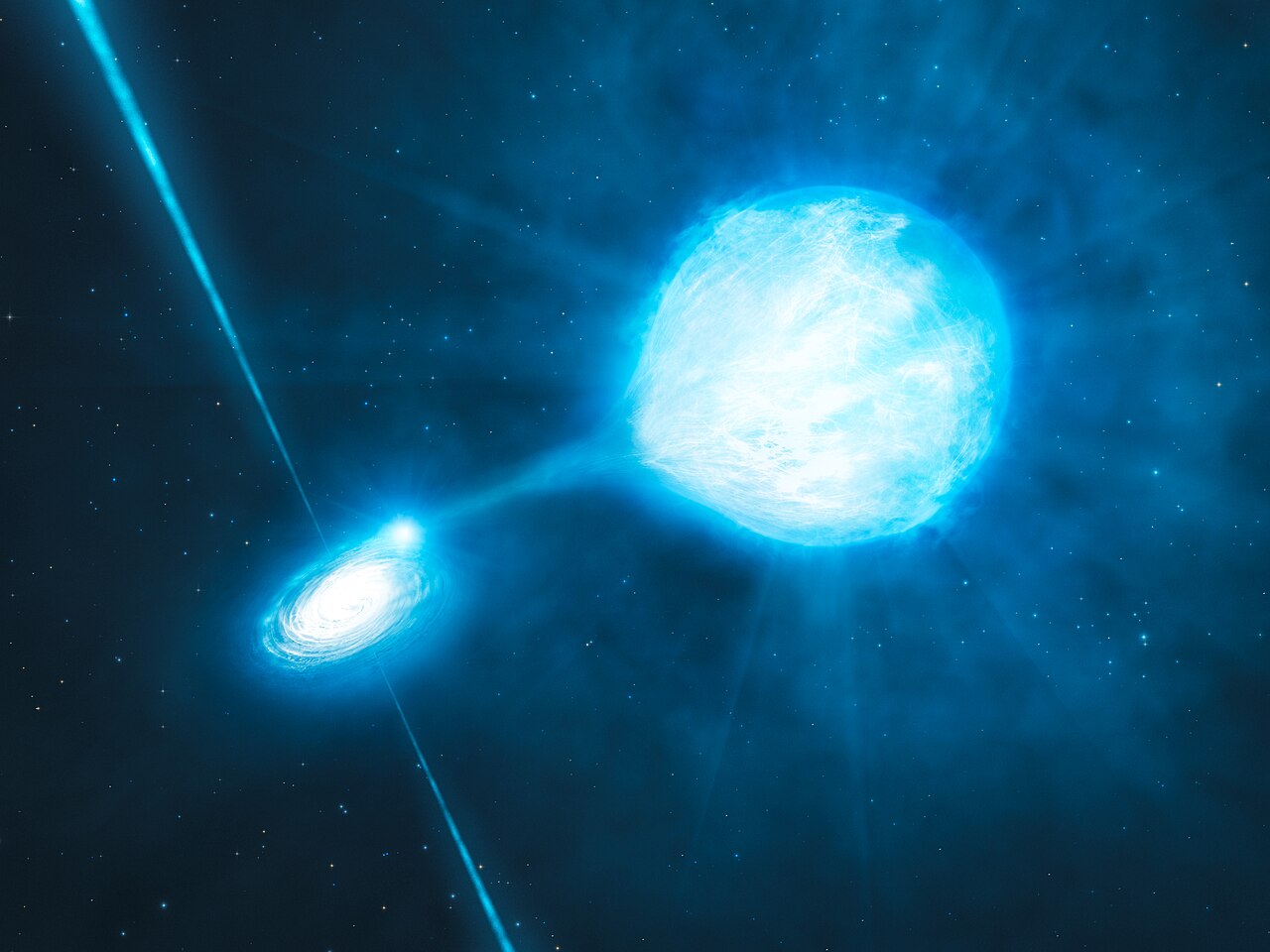
The detection of stellar black holes is a challenging task, as these objects do not emit any electromagnetic radiation. Scientists use indirect detection methods, such as the observation of x-rays and gamma rays emitted by hot gas swirling around the black hole. Researchers also use gravitational wave observations to detect the merger of stellar black holes, which produces a characteristic chirp signal. The study of stellar black holes is closely tied to the study of active galactic nuclei and quasars, as these objects are all connected through the process of galaxy evolution.
🌐 Observational Evidence for Stellar Black Holes
The observational evidence for stellar black holes is extensive, with scientists using a range of astronomical observations to study these objects. Researchers have observed the x-ray emission from hot gas swirling around stellar black holes, as well as the gamma ray emission from the accretion of material onto the black hole. The study of stellar black holes is an active area of research, with scientists using space missions and telescopes to observe and understand these cosmic phenomena. The vibe score for stellar black holes is high, reflecting their significant cultural and scientific impact. Scientists use computational models and simulations to study the behavior of stellar black holes, including the effects of magnetic fields and rotation on the accretion process.
📈 Growth and Evolution of Stellar Black Holes
The growth and evolution of stellar black holes is an important area of study, as it provides insights into the formation mechanisms and evolution of these objects. Scientists use astronomical observations and theoretical models to understand the characteristics of stellar black holes, including their spin and accretion rates. The study of stellar black holes is closely tied to the study of neutron stars and white dwarfs, as these objects are all connected through the process of stellar evolution. Researchers have identified several growth mechanisms that may operate to increase the mass of stellar black holes, including the merger of stellar black holes and the accretion of material from the surrounding environment.
👀 Binary Systems and Stellar Black Hole Interactions
Binary systems containing stellar black holes are an important area of study, as they provide insights into the formation mechanisms and evolution of these objects. Scientists use astronomical observations and theoretical models to understand the characteristics of binary systems, including the orbital period and mass ratio of the components. The study of stellar black holes is closely tied to the study of neutron stars and white dwarfs, as these objects are all connected through the process of stellar evolution. Researchers have identified several binary systems that contain stellar black holes, including Cygnus X-1 and GRS 1915+105.
💥 Mergers and Gamma-Ray Bursts
The merger of stellar black holes is a catastrophic event that produces a characteristic chirp signal in the gravitational wave emission. Scientists use gravitational wave observations to detect the merger of stellar black holes, which provides insights into the formation mechanisms and evolution of these objects. The study of stellar black holes is closely tied to the study of gamma ray bursts, as these events are thought to be associated with the merger of stellar black holes. Researchers have identified several merger events that have produced gamma ray bursts, including GW150914 and GW170608.
🔮 The Role of Stellar Black Holes in Galaxy Evolution
The role of stellar black holes in galaxy evolution is an important area of study, as it provides insights into the formation mechanisms and evolution of galaxies. Scientists use astronomical observations and theoretical models to understand the characteristics of galaxies, including the star formation rate and gas content. The study of stellar black holes is closely tied to the study of active galactic nuclei and quasars, as these objects are all connected through the process of galaxy evolution. Researchers have identified several galaxy evolution scenarios that involve the growth of stellar black holes, including the merger-driven growth of galaxies.
🌌 Stellar Black Holes in the Context of Cosmology
The study of stellar black holes in the context of cosmology is an active area of research, as it provides insights into the formation mechanisms and evolution of the universe. Scientists use astronomical observations and theoretical models to understand the characteristics of the universe, including the cosmic microwave background and the large scale structure. The study of stellar black holes is closely tied to the study of dark matter and dark energy, as these components are thought to play a key role in the evolution of the universe. Researchers have identified several cosmological scenarios that involve the growth of stellar black holes, including the Lambda-CDM model.
Key Facts
- Year
- 1971
- Origin
- Cygnus X-1, Milky Way Galaxy
- Category
- Astronomy
- Type
- Celestial Object
Frequently Asked Questions
What is a stellar black hole?
A stellar black hole is a black hole formed by the gravitational collapse of a star. They have masses ranging from about 5 to several tens of solar masses. The study of stellar black holes is an active area of research, with scientists using telescopes and space missions to observe and understand these cosmic phenomena. Stellar black holes are thought to be the remnants of supernova explosions, but other formation mechanisms may operate.
How are stellar black holes formed?
Stellar black holes are formed by the gravitational collapse of a star. This process can occur through various formation mechanisms, including the collapse of a star's core or the merger of two stars. Scientists have also proposed alternative formation mechanisms, such as the dark matter-induced collapse of a star. The study of stellar evolution is crucial to understanding the formation of stellar black holes, as it provides insights into the life cycles of massive stars.
What are the characteristics of stellar black holes?
Stellar black holes have masses ranging from about 5 to several tens of solar masses. They can be the remnants of supernova explosions, but other formation mechanisms may operate. The study of stellar black holes is an active area of research, with scientists using astronomical observations and theoretical models to understand the characteristics of these objects, including their spin and accretion rates.
How are stellar black holes detected?
The detection of stellar black holes is a challenging task, as these objects do not emit any electromagnetic radiation. Scientists use indirect detection methods, such as the observation of x-rays and gamma rays emitted by hot gas swirling around the black hole. Researchers also use gravitational wave observations to detect the merger of stellar black holes, which produces a characteristic chirp signal.
What is the role of stellar black holes in galaxy evolution?
The role of stellar black holes in galaxy evolution is an important area of study, as it provides insights into the formation mechanisms and evolution of galaxies. Scientists use astronomical observations and theoretical models to understand the characteristics of galaxies, including the star formation rate and gas content. The study of stellar black holes is closely tied to the study of active galactic nuclei and quasars, as these objects are all connected through the process of galaxy evolution.
What is the relationship between stellar black holes and dark matter?
The relationship between stellar black holes and dark matter is an active area of research, as it provides insights into the formation mechanisms and evolution of the universe. Scientists use astronomical observations and theoretical models to understand the characteristics of dark matter, including its distribution and properties. The study of stellar black holes is closely tied to the study of dark matter, as these components are thought to play a key role in the evolution of the universe.
What is the future of stellar black hole research?
The future of stellar black hole research is exciting, with scientists using new telescopes and space missions to observe and understand these cosmic phenomena. The study of stellar black holes is an active area of research, with scientists using gravitational wave observations to detect the merger of stellar black holes and understand the characteristics of these objects. The future of stellar black hole research will provide new insights into the formation mechanisms and evolution of the universe.