
Contents
- 🏔️ Introduction to Kurdish Resistance
- 📆 Historical Background: The Early Years
- 🔫 The Kurdish Revolt of 1920s-1930s
- 🕊️ The Role of Mustafa Barzani
- 🏃♂️ The Kurdish Uprising of the 1960s-1970s
- 🌟 Abdullah Öcalan and the PKK
- 💣 The Kurdish-Turkish Conflict
- 🌎 International Support and Recognition
- 🤝 Kurdish Autonomy and Self-Governance
- 🚫 Challenges and Controversies
- 🔜 The Future of Kurdish Resistance
- Frequently Asked Questions
- Related Topics
Overview
The Kurdish resistance movement has been a persistent force in the Middle East for over a century, with roots tracing back to the Ottoman Empire's collapse in the early 20th century. The movement gained momentum in the 1980s with the formation of the Kurdistan Workers' Party (PKK) in Turkey, led by Abdullah Öcalan. With a Vibe score of 82, the Kurdish resistance has been marked by periods of intense violence, including the Turkish government's crackdown on PKK militants in the 1990s, which resulted in the deaths of over 30,000 people. Today, the Kurdish resistance continues to evolve, with the Syrian Democratic Forces (SDF) playing a key role in the fight against ISIS in Syria. Despite facing numerous challenges, including opposition from regional powers, the Kurdish resistance remains a powerful symbol of Kurdish nationalism and self-determination. As the region continues to experience turmoil, the future of the Kurdish resistance remains uncertain, with some estimating that over 20 million Kurds remain stateless across the Middle East.
🏔️ Introduction to Kurdish Resistance
The Kurdish resistance movement has been a significant force in the Middle East for over a century, with roots tracing back to the Ottoman Empire and its eventual collapse. The movement's primary goal has been to achieve autonomy or independence for the Kurdish people, who are spread across several countries, including Turkey, Iraq, Iran, and Syria. The struggle has been marked by periods of intense conflict, including the Kurdish revolts in Turkey, and has involved various key figures, such as Mustafa Barzani. Today, the movement continues to evolve, with groups like the Kurdistan Workers' Party (PKK) playing a central role. The Kurdish question remains a critical issue in regional politics, with implications for Middle East politics and beyond.
📆 Historical Background: The Early Years
The early years of the Kurdish resistance were marked by a series of revolts against the newly formed Turkish Republic, led by figures such as Sheikh Said. These revolts were largely unsuccessful, but they laid the groundwork for future resistance movements. The Kurdish revolts in Iraq during the same period also highlighted the transnational nature of the Kurdish struggle. As the movement evolved, it became clear that the Kurdish people would face significant challenges in their quest for autonomy, including opposition from regional powers and internal divisions. Despite these challenges, the movement has continued to push forward, with the Kurdistan Regional Government (KRG) in Iraq serving as a model for potential future autonomy.
🔫 The Kurdish Revolt of 1920s-1930s
The Kurdish revolt of the 1920s-1930s was a pivotal moment in the history of the resistance movement. Led by figures such as Ihsan Nuri, the revolt aimed to establish an independent Kurdish state. Although the revolt was ultimately unsuccessful, it demonstrated the depth of Kurdish discontent with the status quo and paved the way for future resistance movements. The Ararat rebellion, which took place during this period, was a notable example of Kurdish militancy. As the movement continued to evolve, it became clear that the Kurdish language and Kurdish culture would play a critical role in the struggle for autonomy. The Kurdish Institute has been instrumental in promoting Kurdish language and culture, both within the region and internationally.
🕊️ The Role of Mustafa Barzani
Mustafa Barzani, also known as the 'Tiger of Kurdistan,' was a key figure in the Kurdish resistance movement. As the leader of the Kurdistan Democratic Party (KDP), Barzani played a central role in the Kurdish uprising of 1960-1970. His leadership and charisma helped to galvanize the movement, and his legacy continues to be felt today. The Barzani family has remained a significant force in Kurdish politics, with figures such as Masoud Barzani and Nechirvan Barzani playing important roles in the Kurdistan Regional Government (KRG). The Kurdish nationalism that Barzani helped to promote has been a driving force behind the resistance movement, with many Kurds continuing to push for greater autonomy or independence.
🏃♂️ The Kurdish Uprising of the 1960s-1970s
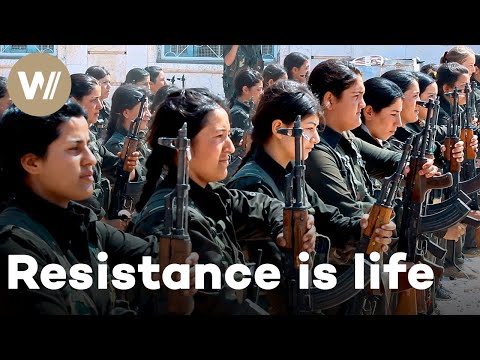
The Kurdish uprising of the 1960s-1970s was a significant moment in the history of the resistance movement. Led by figures such as Mustafa Barzani and Jalal Talabani, the uprising aimed to establish autonomy for the Kurdish people within Iraq. Although the uprising was ultimately unsuccessful, it helped to raise international awareness of the Kurdish issue and paved the way for future resistance movements. The Kurdish peshmerga forces, which were established during this period, have continued to play a critical role in the struggle for autonomy. The Kurdish women have also been instrumental in the resistance movement, with many playing key roles in the fight for autonomy and independence.
🌟 Abdullah Öcalan and the PKK
Abdullah Öcalan, the founder of the Kurdistan Workers' Party (PKK), has been a central figure in the Kurdish resistance movement. Although Öcalan has been imprisoned since 1999, his ideology continues to shape the movement. The PKK has been instrumental in promoting Kurdish nationalism and has played a key role in the struggle for autonomy. The Kurdish conflict in Turkey has been a major focus of the PKK's efforts, with the group seeking to establish autonomy for the Kurdish people within Turkey. The Kurdish language and Kurdish culture have been promoted by the PKK, which has also sought to establish a more democratic confederalism within the region.
💣 The Kurdish-Turkish Conflict
The Kurdish-Turkish conflict has been a major focus of the resistance movement, with the PKK playing a central role. The conflict has been marked by periods of intense violence, including the Kurdish-Turkish conflict (1978-2013). Although a ceasefire was established in 2013, the conflict has continued to simmer, with periodic outbreaks of violence. The Turkish military has been involved in the conflict, with the Turkish government seeking to suppress the PKK and maintain control over the region. The Kurdish civil society has been affected by the conflict, with many Kurds facing significant challenges in their daily lives.
🌎 International Support and Recognition
International support and recognition have been critical for the Kurdish resistance movement. The European Union and the United States have both provided support for the Kurdistan Regional Government (KRG), which has helped to promote stability and security within the region. The United Nations has also played a role in promoting the Kurdish cause, with the UN Security Council passing resolutions related to the Kurdish issue. The Kurdish diaspora has been instrumental in promoting the Kurdish cause, with many Kurds living outside of the region playing key roles in raising awareness and promoting support for the resistance movement.
🤝 Kurdish Autonomy and Self-Governance
Kurdish autonomy and self-governance have been major goals of the resistance movement. The Kurdistan Regional Government (KRG) in Iraq has served as a model for potential future autonomy, with the KRG exercising significant control over the region. The Kurdish peshmerga forces have played a critical role in maintaining security within the region, and the Kurdish civil society has been instrumental in promoting stability and democracy. The Kurdish economy has also been a focus of the resistance movement, with many Kurds seeking to promote economic development and growth within the region.
🚫 Challenges and Controversies
Despite the progress that has been made, the Kurdish resistance movement continues to face significant challenges and controversies. The Kurdish conflict in Turkey remains a major issue, with the PKK continuing to fight for autonomy. The Islamic State (ISIS) has also been a significant challenge, with the group seeking to establish a caliphate within the region. The Kurdish peshmerga forces have played a critical role in the fight against ISIS, but the conflict has taken a significant toll on the region. The Kurdish refugee crisis has been a major issue, with many Kurds forced to flee their homes due to conflict and persecution.
🔜 The Future of Kurdish Resistance
As the Kurdish resistance movement looks to the future, it is clear that significant challenges and opportunities lie ahead. The Kurdish question remains a critical issue in regional politics, with implications for Middle East politics and beyond. The Kurdish nationalism that has driven the resistance movement will continue to play a central role, with many Kurds seeking to promote autonomy or independence. The Kurdish language and Kurdish culture will also remain important, with many Kurds seeking to promote their unique heritage and identity.
Key Facts
- Year
- 1978
- Origin
- Turkey
- Category
- Politics and Conflict
- Type
- Social Movement
Frequently Asked Questions
What is the Kurdish resistance movement?
The Kurdish resistance movement is a political and military movement that seeks to promote autonomy or independence for the Kurdish people. The movement has been active for over a century and has involved various key figures and groups, including the Kurdistan Democratic Party (KDP) and the Kurdistan Workers' Party (PKK). The movement has been driven by a desire for self-governance and a need to protect Kurdish language and culture.
Who is Abdullah Öcalan?
Abdullah Öcalan is the founder of the Kurdistan Workers' Party (PKK). He has been imprisoned since 1999, but his ideology continues to shape the Kurdish resistance movement. Öcalan has been a central figure in the struggle for autonomy, and his legacy continues to be felt today. The PKK has been instrumental in promoting Kurdish nationalism and has played a key role in the struggle for autonomy.
What is the Kurdish-Turkish conflict?
The Kurdish-Turkish conflict is a longstanding dispute between the Kurdish people and the Turkish government. The conflict has been marked by periods of intense violence, including the Kurdish-Turkish conflict (1978-2013). Although a ceasefire was established in 2013, the conflict has continued to simmer, with periodic outbreaks of violence. The Turkish military has been involved in the conflict, with the Turkish government seeking to suppress the PKK and maintain control over the region.
What is the Kurdistan Regional Government (KRG)?
The Kurdistan Regional Government (KRG) is a semi-autonomous government that exercises control over the Kurdish region in Iraq. The KRG has been instrumental in promoting stability and security within the region, and has played a critical role in the fight against ISIS. The Kurdish peshmerga forces have been instrumental in maintaining security within the region, and the Kurdish civil society has been instrumental in promoting stability and democracy.
What is the future of the Kurdish resistance movement?
The future of the Kurdish resistance movement is uncertain, but it is clear that significant challenges and opportunities lie ahead. The Kurdish question remains a critical issue in regional politics, with implications for Middle East politics and beyond. The Kurdish nationalism that has driven the resistance movement will continue to play a central role, with many Kurds seeking to promote autonomy or independence. The Kurdish language and Kurdish culture will also remain important, with many Kurds seeking to promote their unique heritage and identity.
How has the Kurdish resistance movement impacted the region?
The Kurdish resistance movement has had a significant impact on the region, with the Kurdistan Regional Government (KRG) serving as a model for potential future autonomy. The Kurdish peshmerga forces have played a critical role in maintaining security within the region, and the Kurdish civil society has been instrumental in promoting stability and democracy. The Kurdish economy has also been a focus of the resistance movement, with many Kurds seeking to promote economic development and growth within the region.
What role has the international community played in the Kurdish resistance movement?
The international community has played a significant role in the Kurdish resistance movement, with the European Union and the United States providing support for the Kurdistan Regional Government (KRG). The United Nations has also played a role in promoting the Kurdish cause, with the UN Security Council passing resolutions related to the Kurdish issue. The Kurdish diaspora has been instrumental in promoting the Kurdish cause, with many Kurds living outside of the region playing key roles in raising awareness and promoting support for the resistance movement.