
Contents
- 🏯 Introduction to Mesopotamia
- 🌍 Geographical Context
- 🏞️ The Fertile Crescent
- 🌟 The Cradle of Civilization
- 📚 Writing and Literature
- 👑 Governance and Empire
- 🏛️ Architecture and Engineering
- 🤝 Cultural Exchange and Legacy
- 📊 Economy and Trade
- 🌪️ Challenges and Decline
- 🔍 Archaeological Discoveries
- Frequently Asked Questions
- Related Topics
Overview
Mesopotamia, which translates to 'land between the rivers,' was home to some of the most influential civilizations in human history, including the Sumerians, Akkadians, Babylonians, and Assyrians. The region, situated between the Tigris and Euphrates rivers, is often credited with the development of writing (cuneiform, circa 3200 BCE), the creation of sophisticated irrigation systems, and the establishment of complex city-states. The Epic of Gilgamesh, one of the earliest surviving works of literature, originated in Mesopotamia around 2100 BCE. The region's strategic location facilitated trade and cultural exchange with neighboring civilizations, including ancient Egypt and the Indus Valley Civilization. With a vibe score of 8, Mesopotamia continues to fascinate historians, archaeologists, and enthusiasts alike, offering a unique window into the evolution of human society. As excavations and research continue to uncover the secrets of Mesopotamia, its influence on modern society remains a topic of debate among scholars, with some arguing that its legacy can be seen in the modern nation-state system and others highlighting its contributions to the development of law, governance, and literature.
🏯 Introduction to Mesopotamia
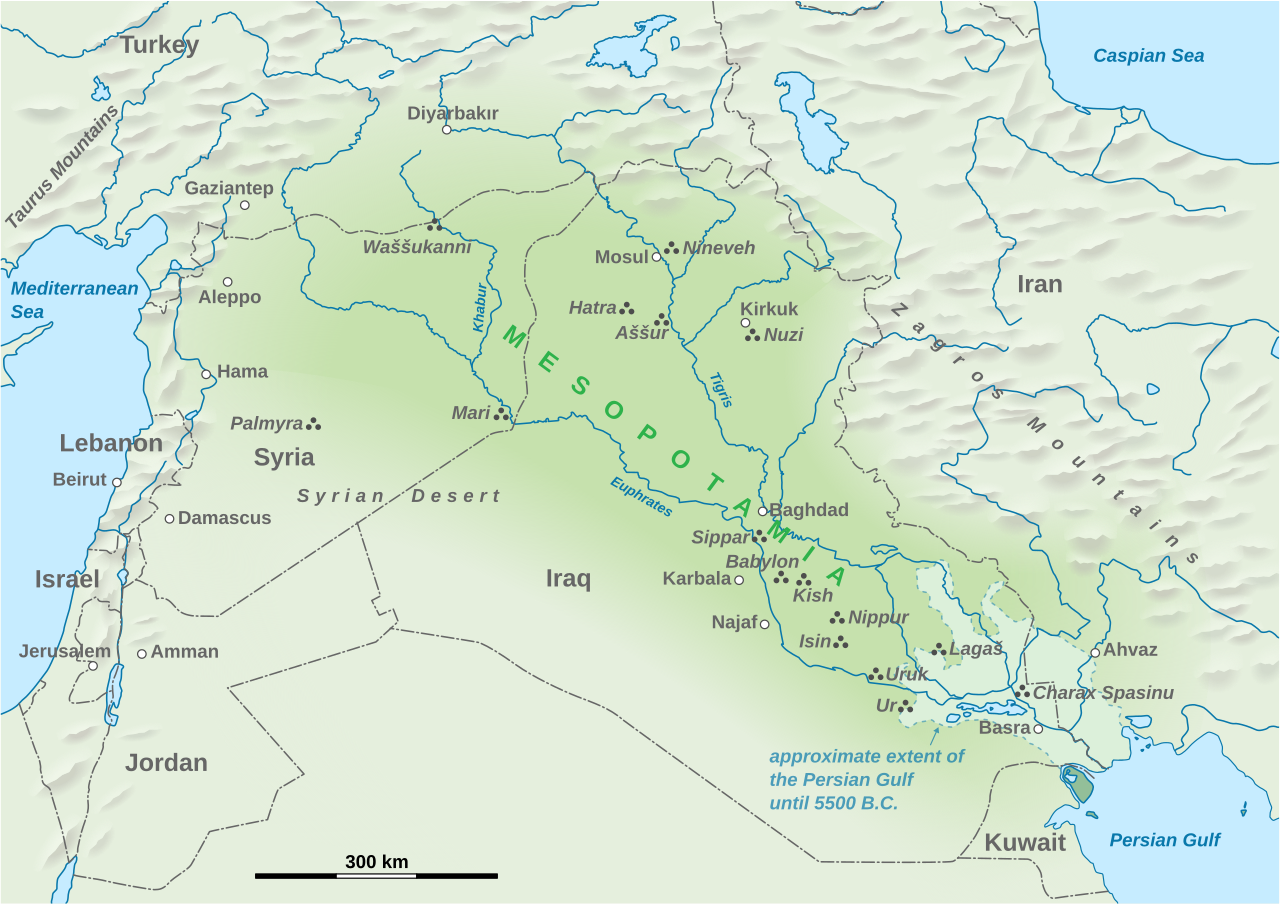
Mesopotamia, which translates to 'land between the rivers,' is a historical region of West Asia situated within the Tigris–Euphrates river system, in the northern part of the Fertile Crescent. It corresponds roughly to the territory of modern Iraq. Just beyond it lies southwestern Iran, where the region transitions into the Persian plateau, marking the shift from the Arab world to Iran. The region's unique geography made it an ideal place for the development of civilization. As the Sumerians and other ancient Mesopotamian civilizations flourished, they made significant contributions to the development of writing systems, governance structures, and architectural innovations.
🌍 Geographical Context
The geographical context of Mesopotamia played a crucial role in shaping the region's history and culture. The Tigris and Euphrates rivers provided a source of water, fertile soil, and a means of transportation, which facilitated the growth of cities and trade. The region's proximity to the Persian Gulf also made it an important center for maritime trade. As the region developed, the Babylonians and other Mesopotamian civilizations made significant contributions to the development of irrigation systems, agricultural practices, and urban planning. The region's unique geography also made it vulnerable to natural disasters, such as floods and droughts, which had a significant impact on the region's history.
🏞️ The Fertile Crescent
The Fertile Crescent is a crescent-shaped region that stretches from the Persian Gulf to the Mediterranean Sea. This region is often referred to as the 'cradle of civilization' because it is where some of the earliest civilizations, including the Sumerians and the Egyptians, developed. The region's fertile soil, mild climate, and abundant water resources made it an ideal place for the development of agriculture and the growth of cities. As the region developed, the Akkadians and other Mesopotamian civilizations made significant contributions to the development of writing systems, governance structures, and architectural innovations. The region's unique cultural and geographical characteristics also made it a hub for cultural exchange and trade.
🌟 The Cradle of Civilization
Mesopotamia is often referred to as the 'cradle of civilization' because it is where some of the earliest civilizations, including the Sumerians and the Babylonians, developed. The region's unique geography, fertile soil, and abundant water resources made it an ideal place for the development of agriculture and the growth of cities. As the region developed, the Sumerians made significant contributions to the development of writing systems, governance structures, and architectural innovations. The region's cultural and geographical characteristics also made it a hub for cultural exchange and trade. The Code of Hammurabi, one of the earliest surviving law codes, is a testament to the region's rich cultural heritage. The Hanging Gardens of Babylon, one of the Seven Wonders of the Ancient World, is another example of the region's architectural and engineering achievements.
📚 Writing and Literature
The development of writing systems in Mesopotamia is one of the most significant contributions of the region to human civilization. The Sumerians developed a writing system known as cuneiform, which consisted of wedge-shaped characters inscribed on clay tablets. This writing system was used for both practical and literary purposes, and it played a crucial role in the development of literature and poetry in the region. The Epic of Gilgamesh, one of the earliest surviving works of literature, is a testament to the region's rich literary heritage. The Babylonians also made significant contributions to the development of astronomy and mathematics.
👑 Governance and Empire
The governance structures developed in Mesopotamia were often complex and sophisticated. The Sumerians developed a system of city-states, each with its own government and ruler. The Babylonians developed a more centralized system of government, with a powerful king and a complex bureaucracy. The Code of Hammurabi is an example of the region's early law codes, which established rules and regulations for social and economic behavior. The Assyrians also developed a powerful and complex system of government, which played a significant role in the region's history. The Persians later developed a more decentralized system of government, which allowed for greater autonomy and regional variation.
🏛️ Architecture and Engineering
The architectural and engineering achievements of Mesopotamia are some of the most impressive in the ancient world. The Hanging Gardens of Babylon, one of the Seven Wonders of the Ancient World, is an example of the region's architectural and engineering achievements. The Ziggurat of Ur, a massive stepped pyramid, is another example of the region's architectural achievements. The Babylonians also developed a sophisticated system of irrigation, which allowed for the growth of crops in the region's fertile soil. The Assyrians developed a powerful and complex system of fortifications, which played a significant role in the region's history.
🤝 Cultural Exchange and Legacy
The cultural exchange and legacy of Mesopotamia are still felt today. The region's unique cultural and geographical characteristics made it a hub for cultural exchange and trade. The Sumerians and other Mesopotamian civilizations made significant contributions to the development of writing systems, governance structures, and architectural innovations. The region's cultural heritage can be seen in the modern-day cultures of the Middle East and beyond. The Islamic Golden Age, which saw a flourishing of science, philosophy, and art in the region, is an example of the region's ongoing cultural significance.
📊 Economy and Trade
The economy and trade of Mesopotamia were significant factors in the region's history. The region's fertile soil and abundant water resources made it an ideal place for the development of agriculture and the growth of cities. The Sumerians and other Mesopotamian civilizations developed a sophisticated system of trade, which allowed for the exchange of goods and ideas across the region. The Babylonians developed a powerful and complex system of commerce, which played a significant role in the region's history. The Assyrians also developed a powerful and complex system of tribute, which allowed for the extraction of resources from conquered territories.
🌪️ Challenges and Decline
The challenges and decline of Mesopotamia are a significant part of the region's history. The region was vulnerable to natural disasters, such as floods and droughts, which had a significant impact on the region's history. The Mongol invasions of the 13th century CE also had a devastating impact on the region, leading to the decline of many of the region's cities and civilizations. The Ottoman Empire later conquered the region, leading to a period of colonialism and imperialism. The modern-day Iraq and other countries in the region continue to face significant challenges, including conflict, poverty, and environmental degradation.
🔍 Archaeological Discoveries
The archaeological discoveries in Mesopotamia have been significant, with many important finds shedding light on the region's history and culture. The excavations at Ur, led by Leonard Woolley, uncovered many important artifacts, including the Royal Cemetery at Ur. The excavations at Nineveh, led by Austen Henry Layard, uncovered many important artifacts, including the Library of Ashurbanipal. The excavations at Babylon, led by Robert Koldewey, uncovered many important artifacts, including the Ishtar Gate. These discoveries have helped to shed light on the region's history and culture, and have provided a unique glimpse into the lives of the people who lived in Mesopotamia.
Key Facts
- Year
- 4500
- Origin
- Middle East
- Category
- History
- Type
- Historical Region
Frequently Asked Questions
What is Mesopotamia?
Mesopotamia is a historical region of West Asia situated within the Tigris–Euphrates river system, in the northern part of the Fertile Crescent. It corresponds roughly to the territory of modern Iraq. The region is often referred to as the 'cradle of civilization' because it is where some of the earliest civilizations, including the Sumerians and the Babylonians, developed.
What were some of the significant contributions of Mesopotamia to human civilization?
The development of writing systems, governance structures, and architectural innovations are some of the most significant contributions of Mesopotamia to human civilization. The region's unique cultural and geographical characteristics made it a hub for cultural exchange and trade. The Sumerians and other Mesopotamian civilizations made significant contributions to the development of literature and poetry in the region.
What were some of the challenges faced by Mesopotamia?
The region was vulnerable to natural disasters, such as floods and droughts, which had a significant impact on the region's history. The Mongol invasions of the 13th century CE also had a devastating impact on the region, leading to the decline of many of the region's cities and civilizations. The Ottoman Empire later conquered the region, leading to a period of colonialism and imperialism.
What are some of the most significant archaeological discoveries in Mesopotamia?
The excavations at Ur, led by Leonard Woolley, uncovered many important artifacts, including the Royal Cemetery at Ur. The excavations at Nineveh, led by Austen Henry Layard, uncovered many important artifacts, including the Library of Ashurbanipal. The excavations at Babylon, led by Robert Koldewey, uncovered many important artifacts, including the Ishtar Gate.
What is the cultural significance of Mesopotamia?
The cultural exchange and legacy of Mesopotamia are still felt today. The region's unique cultural and geographical characteristics made it a hub for cultural exchange and trade. The Sumerians and other Mesopotamian civilizations made significant contributions to the development of writing systems, governance structures, and architectural innovations. The region's cultural heritage can be seen in the modern-day cultures of the Middle East and beyond.