
Contents
- 🔍 Introduction to Imposter Syndrome
- 📚 History of Imposter Syndrome
- 👥 Who Experiences Imposter Syndrome
- 🤝 Causes of Imposter Syndrome
- 📊 Prevalence of Imposter Syndrome
- 💼 Imposter Syndrome in the Workplace
- 🎓 Imposter Syndrome in Academia
- 👀 Overcoming Imposter Syndrome
- 📝 Treatment and Therapy
- 👫 Support Systems for Imposter Syndrome
- 🔮 Future Directions for Imposter Syndrome Research
- Frequently Asked Questions
- Related Topics
Overview
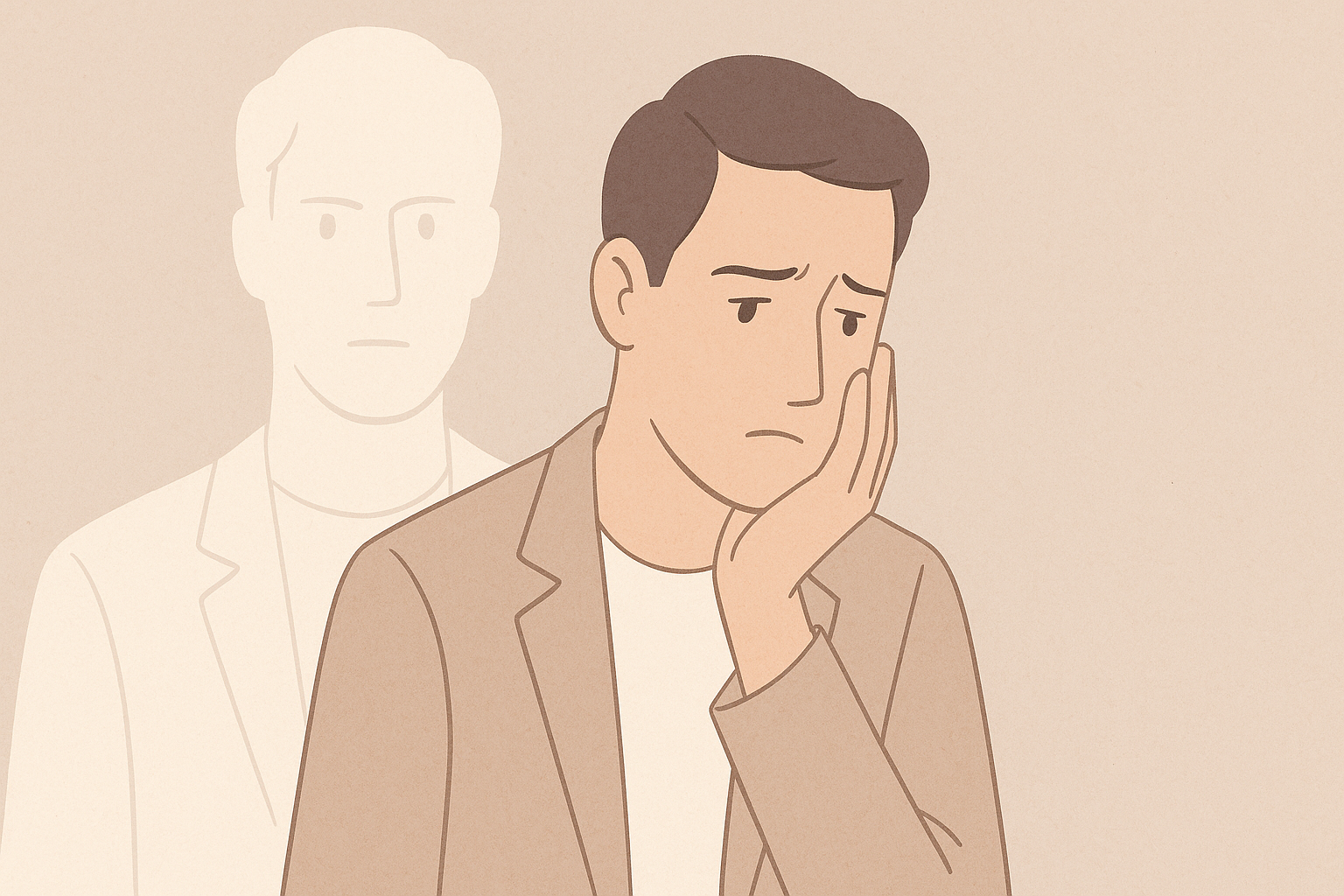
Imposter syndrome is a pervasive psychological pattern where individuals, often high achievers, doubt their accomplishments and fear being exposed as 'impostors'. First identified by psychologists Pauline Clance and Suzanne Imes in 1978, this phenomenon affects an estimated 70% of the population, with women and minorities being disproportionately affected. The syndrome is characterized by feelings of inadequacy, self-doubt, and anxiety, despite external evidence of competence. Notable figures like Maya Angelou, Albert Einstein, and Michelle Obama have publicly spoken about their experiences with imposter syndrome. Researchers have linked imposter syndrome to factors such as perfectionism, social media, and societal pressure to conform. As the conversation around mental health and self-acceptance continues to grow, understanding imposter syndrome is crucial for developing strategies to overcome it and foster a more authentic sense of self-worth.
🔍 Introduction to Imposter Syndrome
Imposter syndrome is a psychological pattern in which an individual doubts their accomplishments and has a persistent internalized fear of being exposed as a 'fraud'. Imposter Syndrome is not a formal psychiatric condition, but rather a phenomenon that has been observed and studied in various fields, including Psychology and Sociology. The concept of imposter syndrome was first introduced by psychologists Pauline Clance and Suzanne Imes in 1978. Pauline Clance and Suzanne Imes identified the syndrome as a common experience among high-achieving women, who often felt like imposters despite their outward success. As research on imposter syndrome has grown, it has become clear that the phenomenon is not limited to women, but can affect anyone, regardless of Demographics or Socioeconomic Status.
📚 History of Imposter Syndrome
The history of imposter syndrome is closely tied to the development of Feminist Psychology and the study of Women in the Workplace. In the 1970s, researchers like Pauline Clance and Suzanne Imes began to explore the ways in which women's experiences in the workplace were shaped by societal expectations and Gender Roles. The concept of imposter syndrome emerged as a way to describe the feelings of inadequacy and self-doubt that many women experienced, despite their outward success. Since then, research on imposter syndrome has expanded to include a broader range of populations, including Men in the Workplace and individuals from diverse Cultural Backgrounds. Cultural Competence is essential in understanding the nuances of imposter syndrome across different cultures.
👥 Who Experiences Imposter Syndrome
Imposter syndrome can affect anyone, regardless of their background or level of achievement. However, certain groups may be more prone to experiencing imposter syndrome, including Women in STEM fields, Minority Students, and individuals from Low-Income Backgrounds. These groups may face unique challenges and barriers that contribute to feelings of inadequacy and self-doubt. For example, women in STEM fields may experience Sexism and Discrimination, while minority students may face Racism and Microaggressions. Microaggressions can have a significant impact on an individual's mental health and well-being. Individuals from low-income backgrounds may face financial stress and limited access to resources, which can exacerbate feelings of imposter syndrome.
🤝 Causes of Imposter Syndrome
The causes of imposter syndrome are complex and multifaceted. Some possible factors that contribute to imposter syndrome include Societal Expectations, Family Dynamics, and Past Experiences. For example, individuals who are raised in families that emphasize achievement and perfection may be more likely to experience imposter syndrome. Additionally, individuals who have experienced Trauma or Bullying may be more prone to feelings of inadequacy and self-doubt. Trauma-Informed Care is essential in supporting individuals who have experienced trauma. Mental Health professionals can play a critical role in helping individuals overcome imposter syndrome.
📊 Prevalence of Imposter Syndrome
The prevalence of imposter syndrome is difficult to quantify, as it is not a formal psychiatric condition and may not be reported or diagnosed. However, research suggests that imposter syndrome is a common experience among high-achieving individuals, with some studies estimating that up to 70% of people will experience imposter syndrome at some point in their lives. Imposter Syndrome Prevalence can vary depending on the population being studied and the criteria used to define imposter syndrome. Research Methods can have a significant impact on the results of studies on imposter syndrome. Statistics can help to identify trends and patterns in the data.
💼 Imposter Syndrome in the Workplace
Imposter syndrome can have significant consequences in the workplace, where it can lead to decreased productivity, increased stress, and reduced job satisfaction. Workplace Wellness initiatives can help to mitigate the effects of imposter syndrome by promoting a supportive and inclusive work environment. Diversity and Inclusion efforts can also help to reduce feelings of imposter syndrome among underrepresented groups. Leadership plays a critical role in creating a positive and supportive work environment. Organizational Culture can have a significant impact on the well-being of employees.
🎓 Imposter Syndrome in Academia
Imposter syndrome is also a common experience among students in academia, where it can lead to decreased motivation, reduced academic performance, and increased stress. Academic Support services can help to mitigate the effects of imposter syndrome by providing students with resources and guidance. Mentorship programs can also help to reduce feelings of imposter syndrome among students. Peer Support can provide a sense of community and belonging. Campus Culture can have a significant impact on the well-being of students.
👀 Overcoming Imposter Syndrome
Overcoming imposter syndrome requires a combination of self-awareness, self-compassion, and support from others. Individuals can start by recognizing the signs and symptoms of imposter syndrome, such as feelings of inadequacy and self-doubt. Self-Awareness is essential in overcoming imposter syndrome. Mindfulness practices can help individuals to develop greater self-awareness and self-acceptance. Self-Care is critical in maintaining good mental health. Social Support from friends, family, and colleagues can also help to reduce feelings of imposter syndrome.
📝 Treatment and Therapy
Treatment and therapy for imposter syndrome typically involve a combination of cognitive-behavioral therapy (CBT) and supportive counseling. Cognitive Behavioral Therapy can help individuals to identify and challenge negative thought patterns and behaviors that contribute to imposter syndrome. Supportive Counseling can provide a safe and supportive environment for individuals to explore their feelings and experiences. Therapy can be an effective way to overcome imposter syndrome. Mental Health Professionals can provide guidance and support throughout the treatment process.
👫 Support Systems for Imposter Syndrome
Support systems for imposter syndrome can include friends, family, colleagues, and mental health professionals. Social Support can provide a sense of belonging and connection, which can help to reduce feelings of imposter syndrome. Peer Support groups can also provide a sense of community and connection among individuals who are experiencing similar challenges. Online Communities can provide a sense of connection and support for individuals who may be isolated or marginalized. Mental Health Resources can provide guidance and support for individuals who are struggling with imposter syndrome.
🔮 Future Directions for Imposter Syndrome Research
Future directions for imposter syndrome research include exploring the intersection of imposter syndrome with other psychological phenomena, such as Anxiety and Depression. Research can help to identify the causes and consequences of imposter syndrome, as well as effective strategies for prevention and treatment. Intervention programs can help to reduce the prevalence of imposter syndrome and promote greater well-being among individuals. Policy changes can help to create a more supportive and inclusive environment for individuals who are experiencing imposter syndrome.
Key Facts
- Year
- 1978
- Origin
- Pauline Clance and Suzanne Imes' research paper 'The Imposter Phenomenon in High Achieving Women'
- Category
- Psychology
- Type
- Psychological Concept
- Format
- what-is
Frequently Asked Questions
What is imposter syndrome?
Imposter syndrome is a psychological pattern in which an individual doubts their accomplishments and has a persistent internalized fear of being exposed as a 'fraud'. It is not a formal psychiatric condition, but rather a phenomenon that has been observed and studied in various fields, including psychology and sociology. Imposter Syndrome is a common experience among high-achieving individuals, and can have significant consequences in the workplace and academia.
Who experiences imposter syndrome?
Imposter syndrome can affect anyone, regardless of their background or level of achievement. However, certain groups may be more prone to experiencing imposter syndrome, including women in STEM fields, minority students, and individuals from low-income backgrounds. Women in STEM fields may face unique challenges and barriers that contribute to feelings of inadequacy and self-doubt. Minority Students may face racism and microaggressions that can exacerbate feelings of imposter syndrome.
What are the causes of imposter syndrome?
The causes of imposter syndrome are complex and multifaceted. Some possible factors that contribute to imposter syndrome include societal expectations, family dynamics, and past experiences. Societal Expectations can play a significant role in shaping an individual's experiences and perceptions. Family Dynamics can also contribute to feelings of inadequacy and self-doubt. Past Experiences can have a lasting impact on an individual's mental health and well-being.
How can imposter syndrome be treated?
Treatment and therapy for imposter syndrome typically involve a combination of cognitive-behavioral therapy (CBT) and supportive counseling. Cognitive Behavioral Therapy can help individuals to identify and challenge negative thought patterns and behaviors that contribute to imposter syndrome. Supportive Counseling can provide a safe and supportive environment for individuals to explore their feelings and experiences.
What are the consequences of imposter syndrome?
Imposter syndrome can have significant consequences in the workplace and academia, including decreased productivity, increased stress, and reduced job satisfaction. Workplace Wellness initiatives can help to mitigate the effects of imposter syndrome by promoting a supportive and inclusive work environment. Academic Support services can also help to reduce feelings of imposter syndrome among students.
How can imposter syndrome be prevented?
Prevention of imposter syndrome requires a combination of self-awareness, self-compassion, and support from others. Individuals can start by recognizing the signs and symptoms of imposter syndrome, such as feelings of inadequacy and self-doubt. Self-Awareness is essential in preventing imposter syndrome. Mindfulness practices can help individuals to develop greater self-awareness and self-acceptance.
What is the relationship between imposter syndrome and mental health?
Imposter syndrome can have a significant impact on an individual's mental health and well-being. Mental Health professionals can play a critical role in helping individuals to overcome imposter syndrome. Therapy can be an effective way to address underlying issues that contribute to imposter syndrome. Support Systems can provide a sense of belonging and connection, which can help to reduce feelings of imposter syndrome.