
Contents
- 🔍 Introduction to Optics
- 💡 The Electromagnetic Spectrum
- 🔬 Instruments and Technology
- 📊 The Mathematics of Optics
- 👓 The Human Eye and Vision
- 🔎 Optical Phenomena and Effects
- 📸 Photography and Imaging
- 👀 Optical Illusions and Perception
- 💻 Computer Vision and Optics
- 🚀 Optics in Space Exploration
- 🤖 Optics in Robotics and Automation
- 📊 Future Developments in Optics
- Frequently Asked Questions
- Related Topics
Overview
Optics, the study of light and its interactions with matter, has been a cornerstone of scientific inquiry for centuries. From the ancient Greeks to modern-day innovators, understanding optics has driven breakthroughs in fields like astronomy, medicine, and telecommunications. With a vibe score of 8, optics continues to shape our daily lives, from the cameras in our smartphones to the lasers used in cutting-edge surgeries. However, the development of optics has not been without controversy, with debates over issues like patent rights and the ethics of emerging technologies. As we look to the future, optics is poised to play a crucial role in shaping the next generation of technologies, from augmented reality to quantum computing. With key figures like Isaac Newton and Ibn al-Haytham contributing to its development, optics remains a rich and dynamic field, full of tension and possibility.
🔍 Introduction to Optics
Optics is the branch of Physics that studies the behaviour, manipulation, and detection of Electromagnetic Radiation, including its interactions with Matter and instruments that use or detect it. The study of optics extends to other forms of electromagnetic radiation, including Radio Waves, Microwaves, and X-rays. Optics usually describes the behaviour of visible, Ultraviolet, and Infrared light. For more information on the electromagnetic spectrum, visit the Electromagnetic Spectrum page.
💡 The Electromagnetic Spectrum
The Electromagnetic Spectrum is a fundamental concept in optics, describing the range of wavelengths and frequencies of electromagnetic radiation. The spectrum includes Gamma Rays, X-rays, Ultraviolet light, Visible Light, Infrared light, Microwaves, and Radio Waves. Each type of radiation has its unique properties and applications, from Medical Imaging to Wireless Communication. Learn more about the electromagnetic spectrum and its applications on the Electromagnetic Spectrum page.
🔬 Instruments and Technology
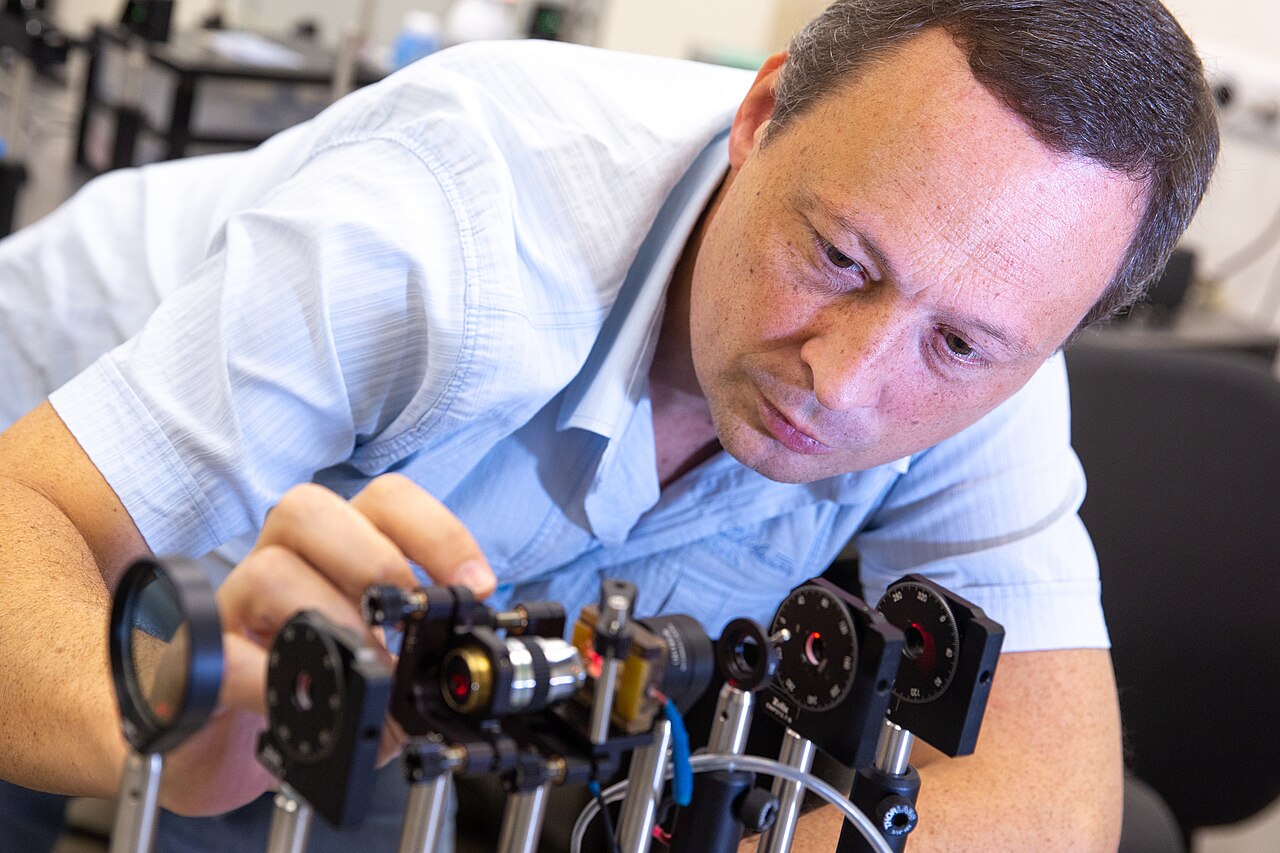
Instruments and technology play a crucial role in optics, enabling us to manipulate and detect electromagnetic radiation. Telescopes, Microscopes, and Spectrometers are examples of optical instruments used in various fields, including Astronomy, Biology, and Chemistry. The development of new optical technologies, such as Lasers and Fiber Optics, has revolutionized fields like Telecommunication and Medicine. Visit the Optical Instruments page for more information on the latest advancements in optical technology.
📊 The Mathematics of Optics
The mathematics of optics is based on the principles of Geometrical Optics and Physical Optics. Geometrical optics describes the behaviour of light in terms of Rays and Refraction, while physical optics deals with the wave nature of light and its interactions with matter. The Mathematics of Optics is essential for understanding and designing optical systems, including Lenses, Mirrors, and Prisms. For a detailed explanation of the mathematical concepts in optics, visit the Mathematics of Optics page.
👓 The Human Eye and Vision
The human eye and vision are complex and fascinating topics in optics. The Human Eye is a remarkable optical instrument, capable of detecting a wide range of wavelengths and intensities. The study of Visual Perception and Color Vision helps us understand how our brains process visual information. Visit the Human Vision page to learn more about the biology and psychology of human vision. Additionally, the Optics of Vision page provides an in-depth look at the optical principles behind human vision.
🔎 Optical Phenomena and Effects
Optical phenomena and effects, such as Refraction, Reflection, and Diffraction, are essential concepts in optics. These phenomena occur when light interacts with matter, and they have numerous applications in fields like Optical Communication and Imaging. The study of optical phenomena also helps us understand Optical Illusions and how they affect our perception of reality. For more information on optical phenomena and their applications, visit the Optical Phenomena page.
📸 Photography and Imaging
Photography and imaging are significant applications of optics, enabling us to capture and manipulate light to create images. The development of Digital Photography and Image Processing has revolutionized the field of imaging, with applications in Medicine, Astronomy, and Security. Visit the Photography page to learn more about the optical principles behind photography and imaging. Additionally, the Image Processing page provides an overview of the latest techniques and technologies in image processing.
👀 Optical Illusions and Perception
Optical illusions and perception are fascinating topics in optics, highlighting the complex relationship between light, matter, and our brains. Optical Illusions occur when our brains misinterpret visual information, resulting in misleading or distorted perceptions. The study of optical illusions helps us understand the limitations and biases of human vision, with applications in fields like Psychology and Neuroscience. For more information on optical illusions and their implications, visit the Optical Illusions page.
💻 Computer Vision and Optics
Computer vision and optics are closely related fields, as computers and algorithms are used to process and analyze visual information. Computer Vision involves the development of algorithms and techniques to interpret and understand visual data, with applications in Robotics, Autonomous Vehicles, and Surveillance. The study of computer vision and optics helps us develop more sophisticated and efficient visual systems, with potential applications in various industries. Visit the Computer Vision page to learn more about the latest advancements in computer vision and optics.
🚀 Optics in Space Exploration
Optics in space exploration is a rapidly evolving field, with applications in Telescopes, Spectrometers, and Imaging. The study of optics in space helps us understand the properties of light and matter in extreme environments, such as Black Holes and Neutron Stars. For more information on the role of optics in space exploration, visit the Space Exploration page. Additionally, the Astronomy page provides an overview of the latest discoveries and advancements in astronomy.
🤖 Optics in Robotics and Automation
Optics in robotics and automation is a growing field, with applications in Machine Vision, Sensors, and Actuators. The development of optical sensors and systems enables robots and automated systems to perceive and interact with their environment, with potential applications in Manufacturing, Logistics, and Healthcare. Visit the Robotics page to learn more about the latest advancements in robotics and automation. For more information on the role of optics in robotics, visit the Optics in Robotics page.
📊 Future Developments in Optics
Future developments in optics are expected to have a significant impact on various fields, including Medicine, Energy, and Communication. The development of new optical materials and technologies, such as Metamaterials and Nanophotonics, is expected to enable new applications and innovations. For more information on the future of optics and its potential applications, visit the Future of Optics page.
Key Facts
- Year
- 1600
- Origin
- Ancient Greece and Middle East
- Category
- Physics and Technology
- Type
- Scientific Discipline
Frequently Asked Questions
What is optics?
Optics is the branch of physics that studies the behaviour, manipulation, and detection of electromagnetic radiation, including its interactions with matter and instruments that use or detect it. Optics usually describes the behaviour of visible, ultraviolet, and infrared light. For more information, visit the Optics page.
What is the electromagnetic spectrum?
The electromagnetic spectrum is a fundamental concept in optics, describing the range of wavelengths and frequencies of electromagnetic radiation. The spectrum includes gamma rays, x-rays, ultraviolet light, visible light, infrared light, microwaves, and radio waves. Each type of radiation has its unique properties and applications. For more information, visit the Electromagnetic Spectrum page.
What are optical instruments?
Optical instruments are devices used to manipulate and detect electromagnetic radiation. Examples of optical instruments include telescopes, microscopes, and spectrometers. These instruments are used in various fields, including astronomy, biology, and chemistry. For more information, visit the Optical Instruments page.
What is computer vision?
Computer vision is a field that involves the development of algorithms and techniques to interpret and understand visual data. Computer vision is closely related to optics, as it involves the processing and analysis of visual information. For more information, visit the Computer Vision page.
What are optical illusions?
Optical illusions are phenomena that occur when our brains misinterpret visual information, resulting in misleading or distorted perceptions. The study of optical illusions helps us understand the limitations and biases of human vision, with applications in fields like psychology and neuroscience. For more information, visit the Optical Illusions page.
What is the future of optics?
The future of optics is expected to have a significant impact on various fields, including medicine, energy, and communication. The development of new optical materials and technologies, such as metamaterials and nanophotonics, is expected to enable new applications and innovations. For more information, visit the Future of Optics page.
What are the applications of optics?
Optics has numerous applications in various fields, including medicine, energy, communication, and astronomy. The study of optics helps us develop new technologies and instruments, such as lasers, fiber optics, and telescopes. For more information, visit the Applications of Optics page.